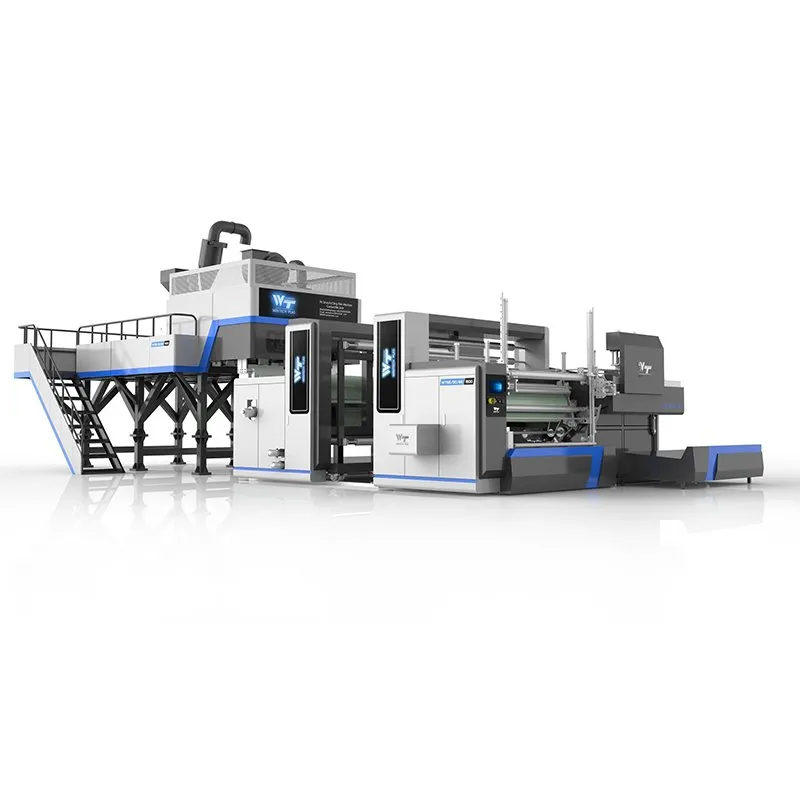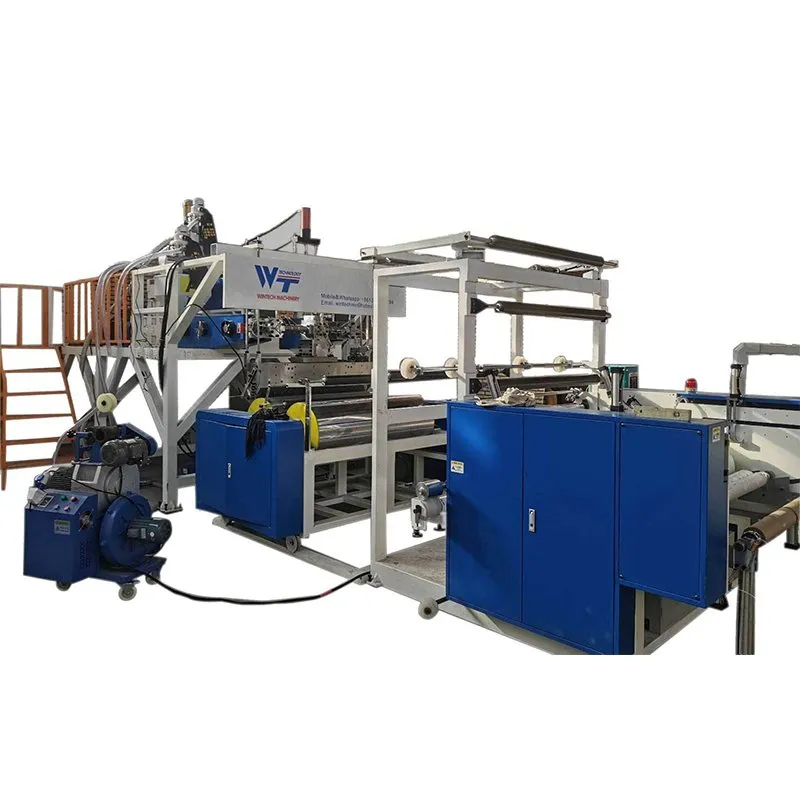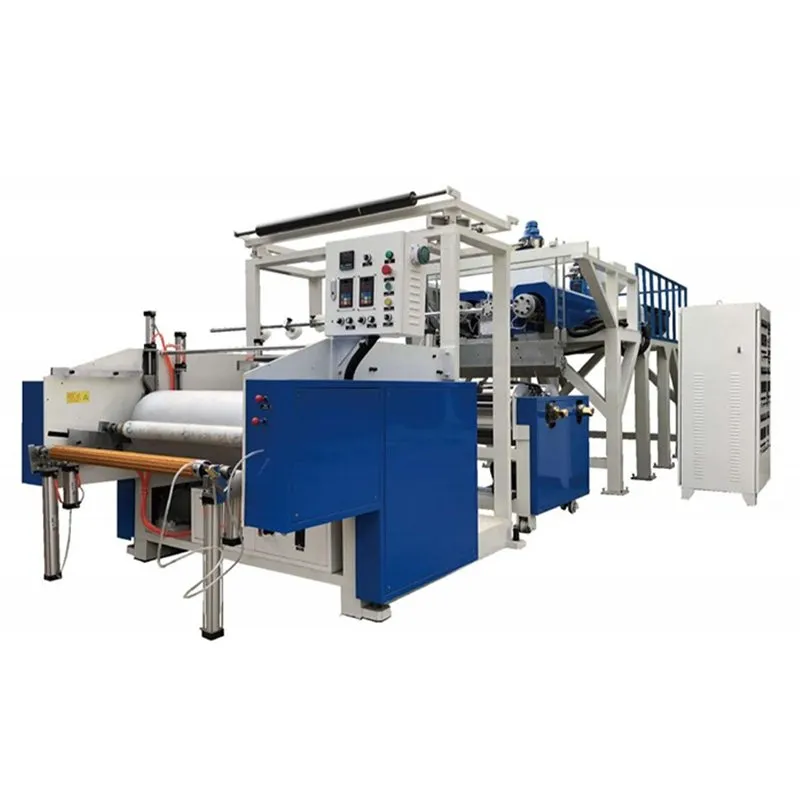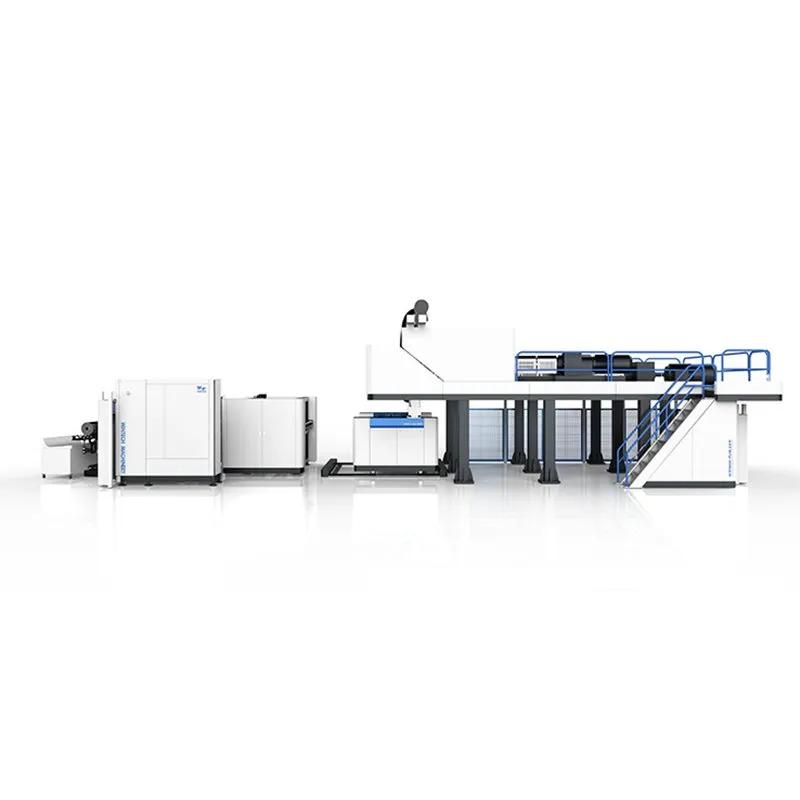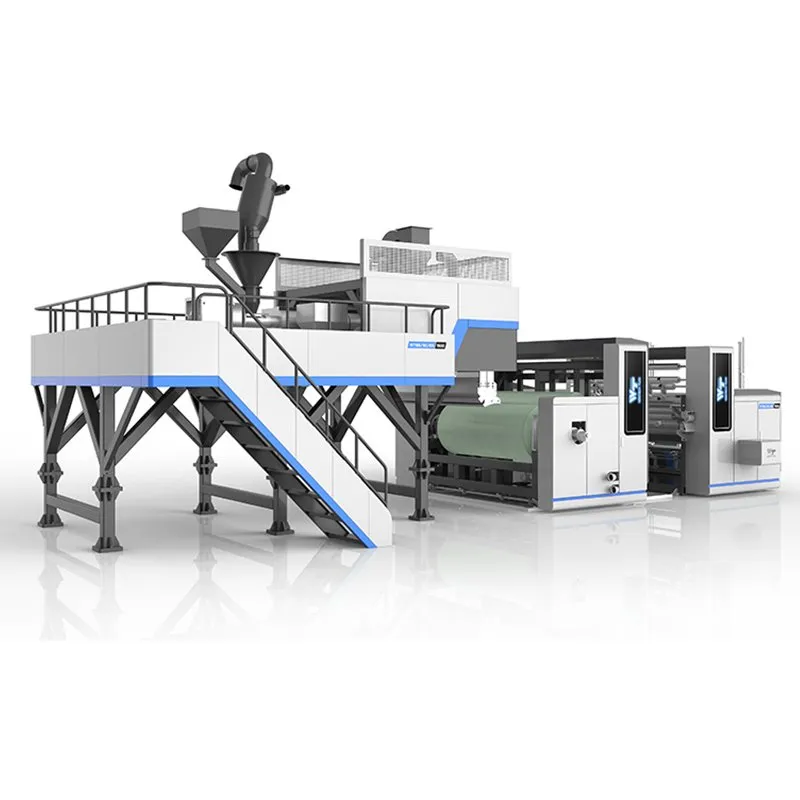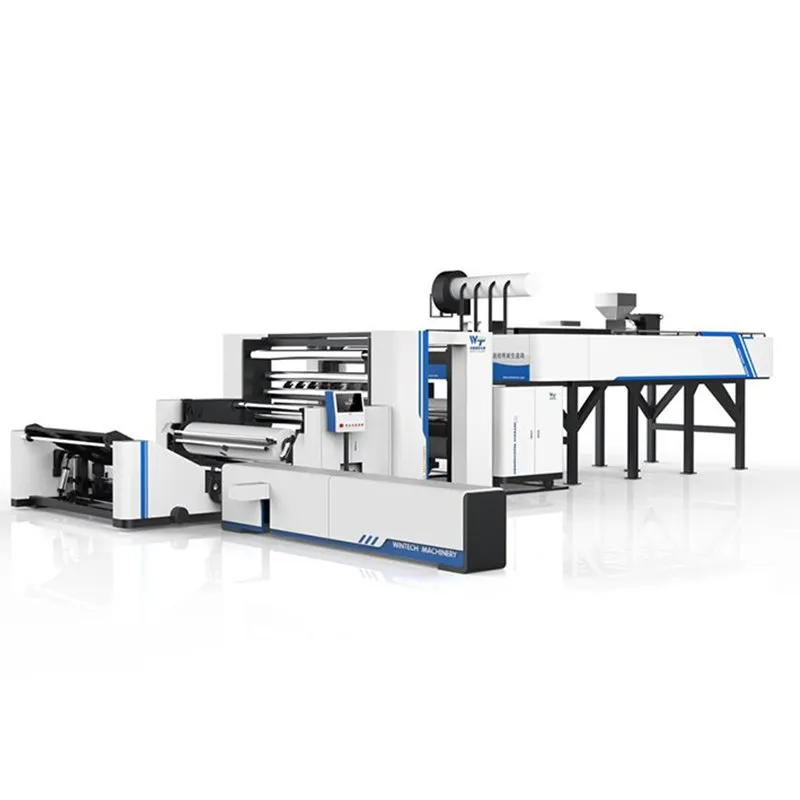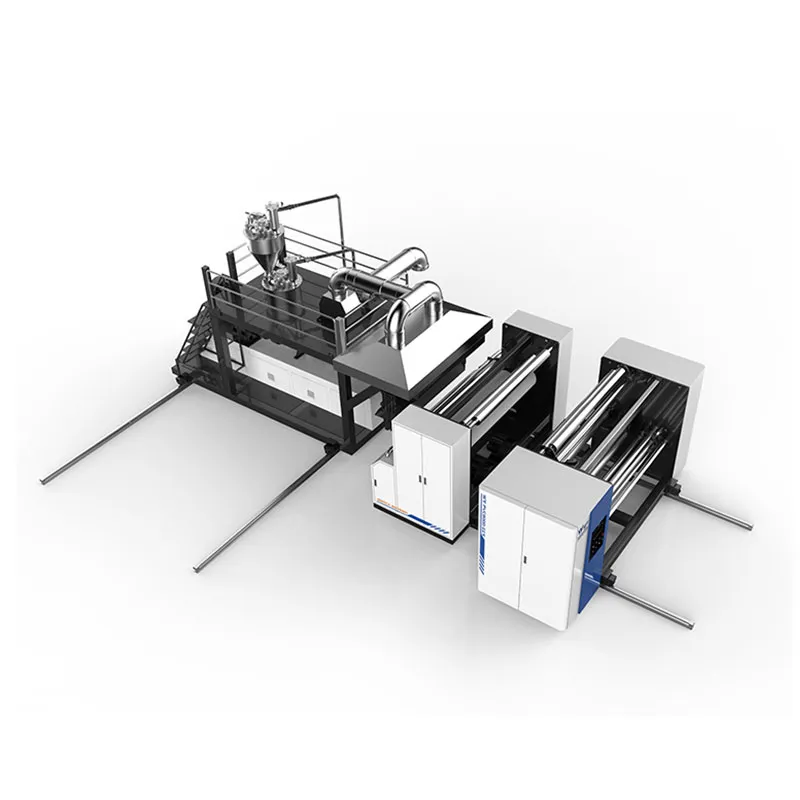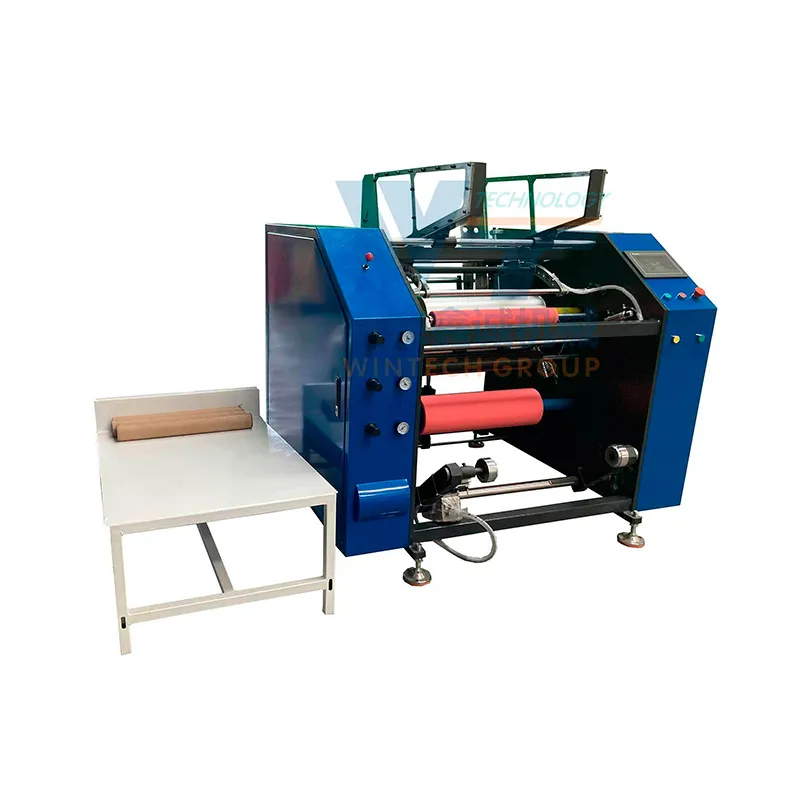


CPP Film Production Line vs CPE Film Production Line—How to Choose the More Suitable Production Solution?

Table of Content [Hide]

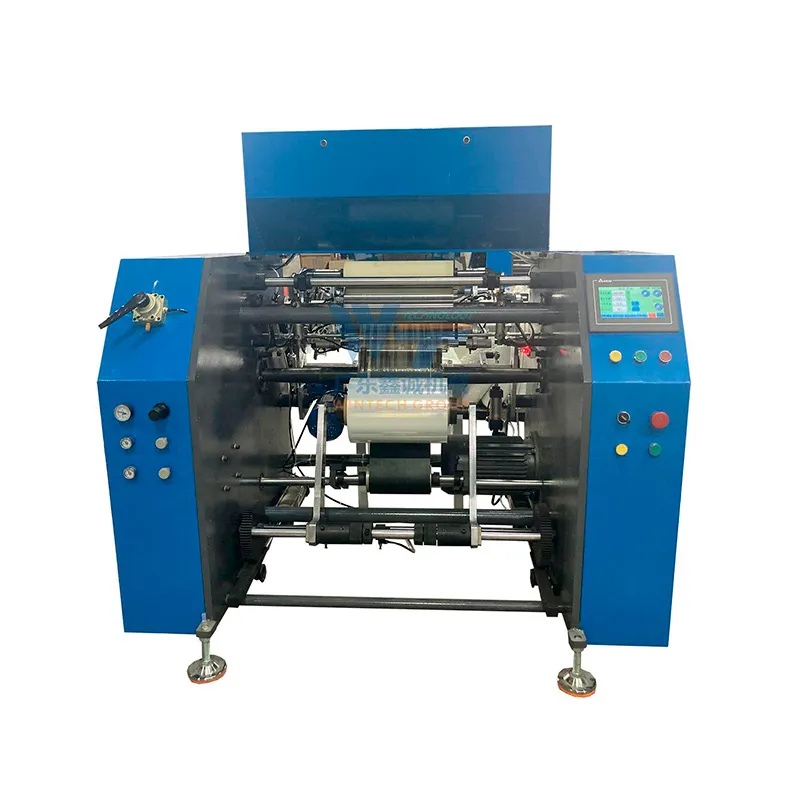
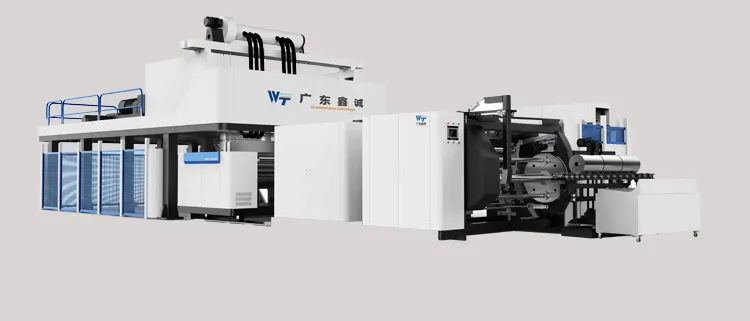
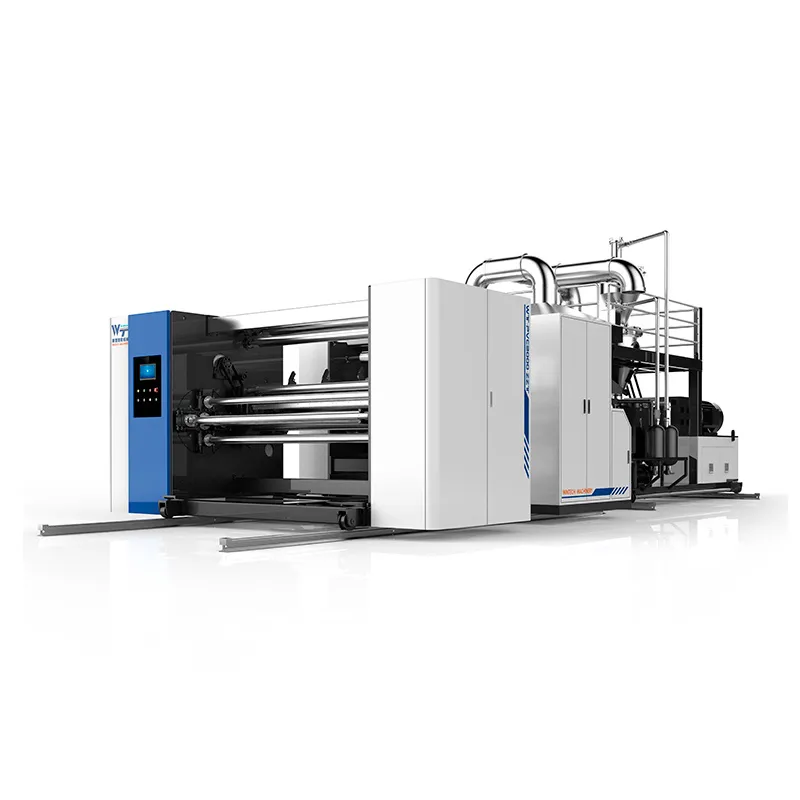
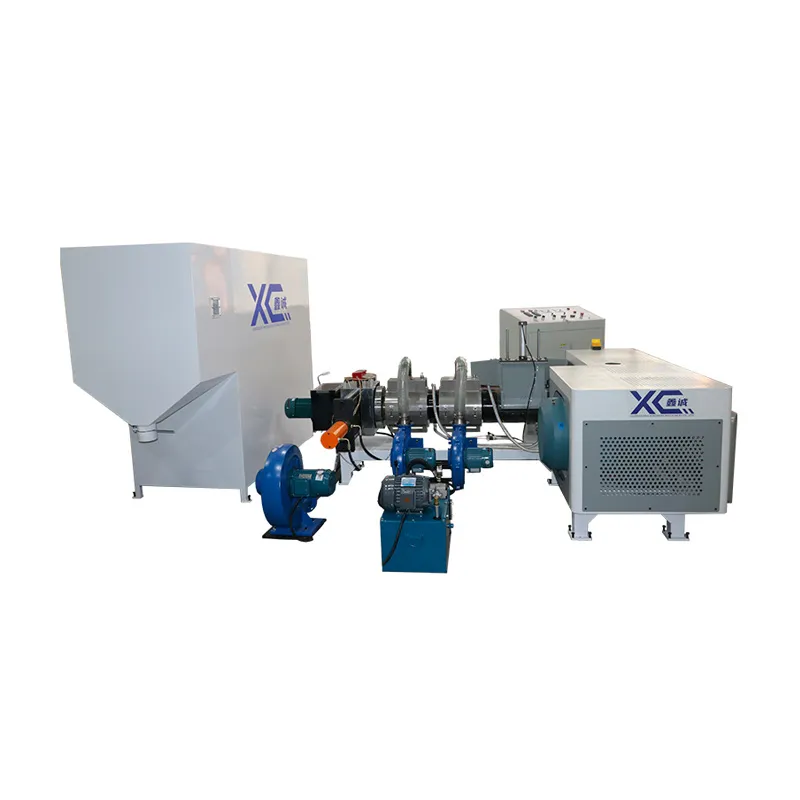
    In the plastic packaging industry, as the market demand for multifunctional films continues to grow, CPP films (Cast Polypropylene films) and CPE films (Cast Polyethylene films) are gradually becoming mainstream materials. Both can be produced through the casting process, but due to differences in raw materials and characteristics, they vary in performance, application, and market positioning. For plastic film manufacturers, packaging material factories, and comprehensive packaging product enterprises, choosing between CPP film production lines and CPE film production lines is an important decision related to return on investment and market competitiveness.


    CPP Film Production Line

    CPP Film Production Line — The Ideal Choice for High Transparency and High-Temperature Resistant Packaging

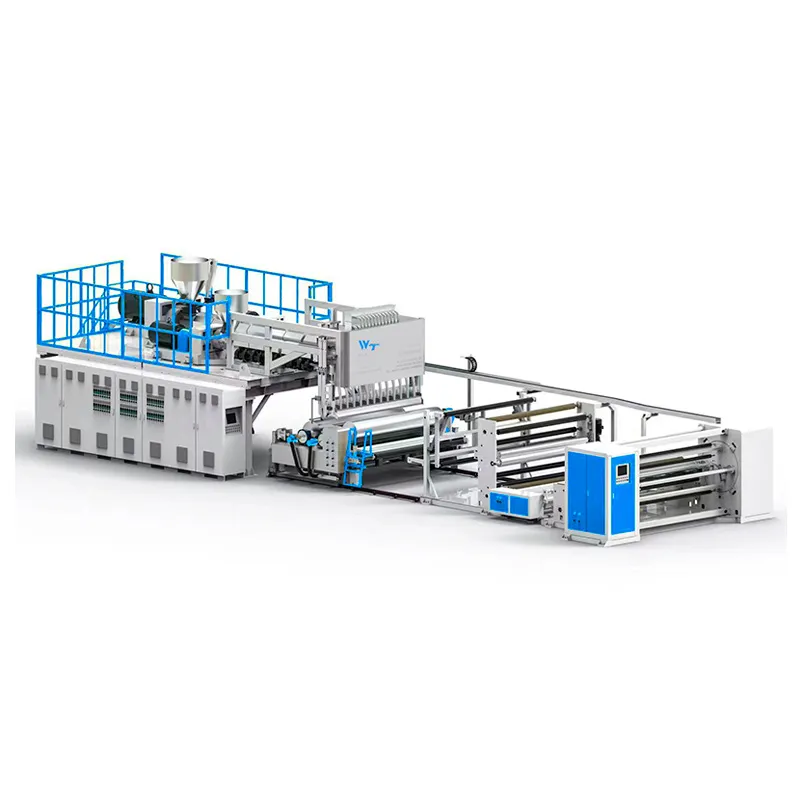
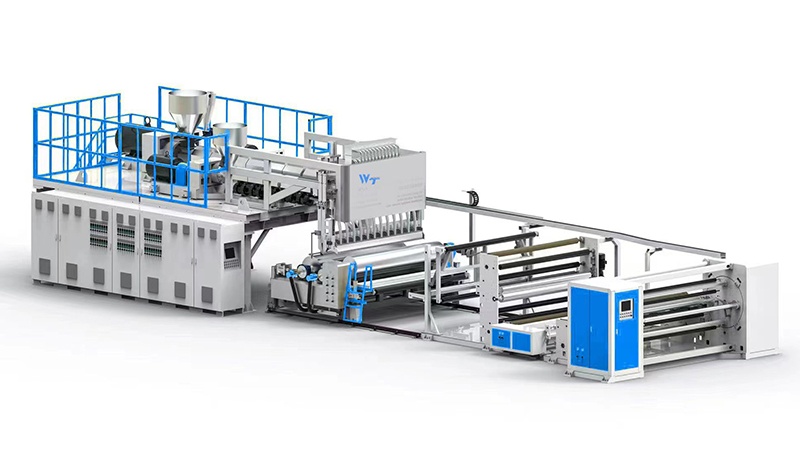
    CPP film production lines mainly use polypropylene as the raw material, adopting a multi-layer co-extrusion casting process. The produced CPP films have the following advantages:

    • High transparency and gloss: Suitable for product packaging that requires a good display effect.

    • Excellent high-temperature resistance: Often used in retort pouches and composite film substrates.

    • Good mechanical strength: High tensile strength and puncture resistance, suitable for industrial products and high-end food packaging.

    The application fields include: food composite packaging, retorting pouches, pharmaceutical packaging, textile packaging, etc. For companies targeting mid-to-high-end markets, CPP film production lines can help expand to higher value-added application scenarios.


    CPE Film Production Line — More Prominent Softness and Low-Temperature Resistance

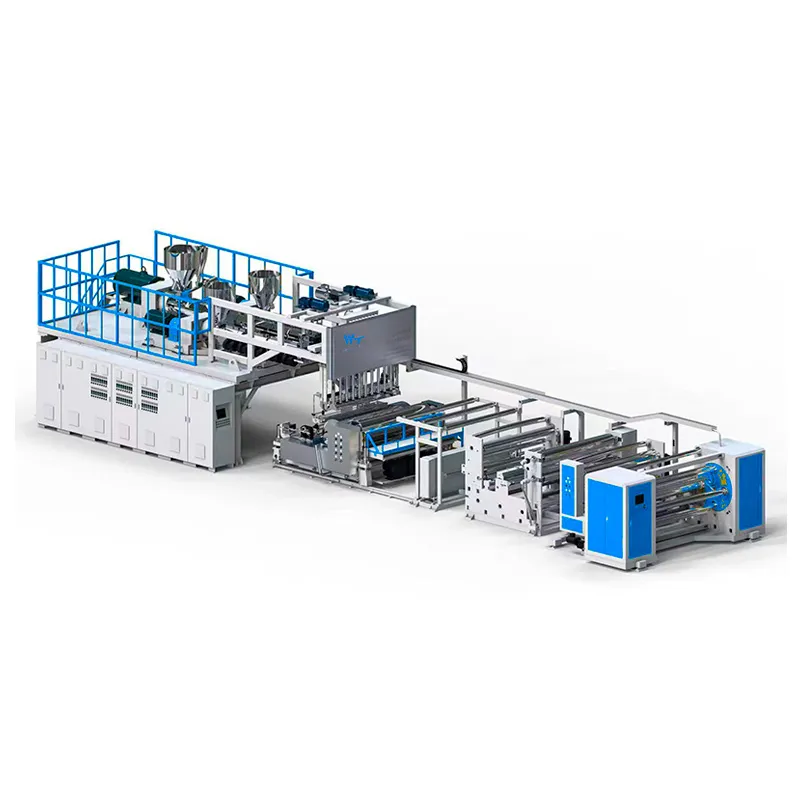
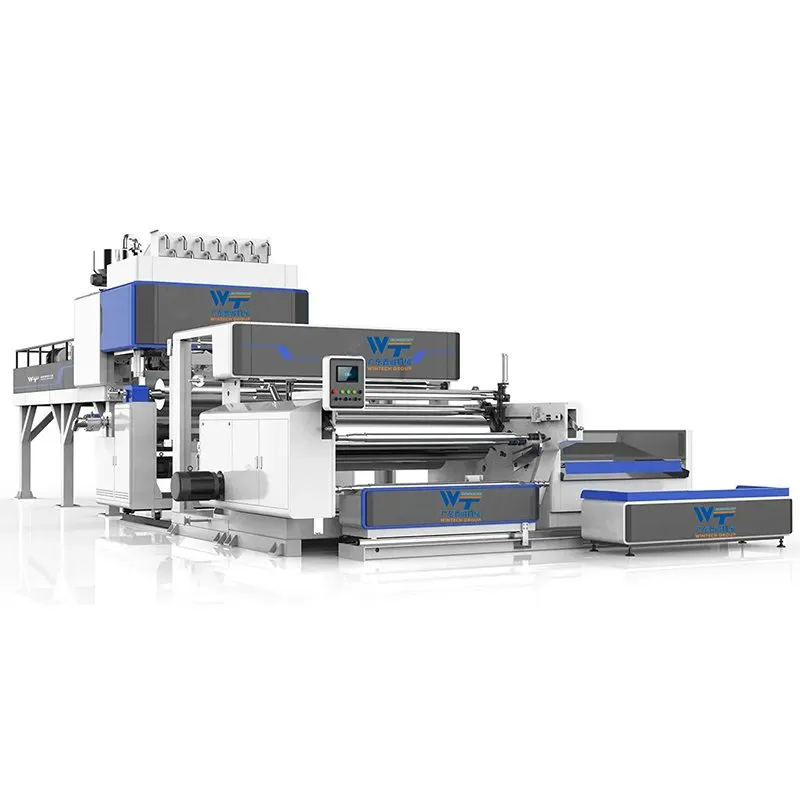
    CPE film production lines use polyethylene as the main raw material and are produced through the casting process. The product characteristics include:

    • Good softness and self-adhesiveness: Soft to the touch, suitable for direct food contact.

    • Excellent low-temperature resistance: Maintains good performance under freezing and refrigeration conditions.

    • Good heat sealability: Stable sealing effect, suitable for various packaging methods.

    CPE films are widely used in: frozen food packaging, fresh meat and vegetable packaging, pharmaceutical, and daily chemical product packaging. For enterprises focusing on daily consumer goods and food packaging, CPE film production lines better meet market demand.


    CPP Film Production Line vs CPE Film Production Line — How to Choose?

    The differences between the two production lines are mainly reflected in the following points:

    1. Performance Differences: CPP films focus more on transparency and high-temperature resistance; CPE films highlight flexibility and low-temperature performance.

    2. Application Scenarios: CPP films are often used in high-temperature retort packaging, composite films, and high-end industrial packaging; CPE films focus on food preservation, frozen packaging, and everyday consumer products.

    3. Market Positioning: CPP films are more suitable for mid-to-high-end markets, meeting customers with higher requirements for appearance and strength; CPE films cover a broader civilian consumer market.

    4. Return on Investment: If the target customer group is concentrated on the food cold chain and daily consumer goods, the payback period for CPE production line investment is shorter; for high-end food, pharmaceutical, and industrial packaging, CPP production lines have more advantages.


    Conclusion

    CPP film production lines and CPE film production lines each have their advantages. The former excels in high transparency and high-temperature resistance, while the latter wins in flexibility and low-temperature resistance. When selecting, companies should consider their market positioning, customer needs, and product application direction to choose the most suitable production line solution. Whether it's CPP or CPE film production lines, reasonable equipment investment will help companies stand out in the competitive packaging material market.


    References
    NEXT: No information
    We use cookies to offer you a better browsing experience, analyze site traffic and personalize content. Part of the tracking is necessary to ensure SEO effectiveness,
    By using this site, you agree to our use of cookies. Visit our cookie policy to learn more.
    Reject Accept