Introduction
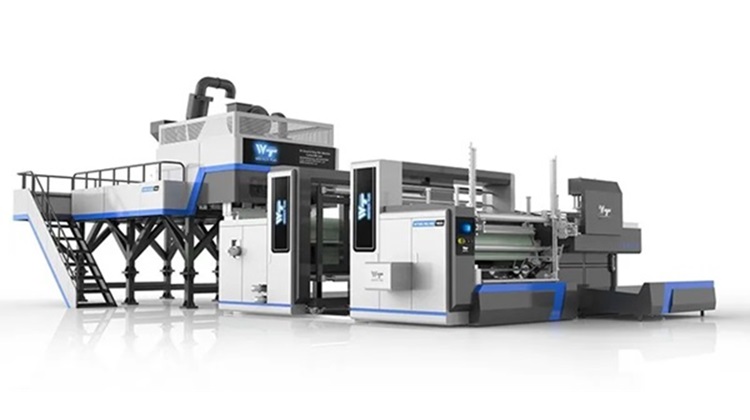
As the packaging industry continues to grow, PE stretch film has become widely used in logistics, warehousing, construction materials, food packaging, and industrial applications. For manufacturers planning to enter the stretch film market or expand their production capacity, selecting the right stretch film machine is a critical investment. The right equipment can improve production efficiency, reduce operating costs, and maximize long-term profitability — and at the center of every one of these decisions is one question: how much can — and should — your machine produce?
Define Your Production Goals
Before purchasing a Wintech stretch film machine, it is important to determine your target production capacity. Different machine models are designed for different output levels:
Small-scale Wintech 1000mm production lines: 1–3 tons per day
Medium-scale Wintech 1500mm production lines: 3–6 tons per day
Large-scale Wintech 2000mm production lines: 6–12 tons per day or more
For startups or businesses entering the market, an economical machine with moderate output may be the best choice. Companies with stable orders and strong market demand should consider higher-capacity production lines to support future growth. Your target tonnage isn't just a spec — it determines which machine category, motor configuration, and T-die width are even viable options, so this number should be the starting point of every other decision in this guide.
Choose Equipment Based on Product Type — and How It Affects Output
Stretch film products include hand stretch film, machine grade stretch film, colored stretch film, and food-grade pe cling film. Each product type may require different machine configurations and production technologies — and each also affects how much usable output your line actually delivers per day. Thinner, high-clarity films and multi-layer structures run at different line speeds and changeover times than standard single-layer film, which directly impacts your real-world daily tonnage, not just your machine's rated capacity.
For manufacturers aiming to produce high-performance stretch film with excellent tensile strength and transparency, multi-layer co-extrusion technology is highly recommended. Multi-layer film structures improve product quality while optimizing raw material usage and reducing production costs — meaning that for the same target tonnage, this technology can help you hit your capacity goals with less material waste.
Consider Future Expansion Plans
One common mistake is purchasing equipment based solely on current production needs. As business grows and customer demand increases, existing machines may become insufficient, leading to additional investment and production disruptions. If your output requirement today is 4 tons per day, sizing for exactly 4 tons leaves no margin — a single new client or seasonal demand spike can push you past capacity within months.
Choosing a machine with extra production capacity can provide flexibility for future expansion and help avoid costly equipment upgrades. A well-planned investment today — built around where your production capacity needs to be in 2–3 years, not just where it stands now — can support sustainable business growth tomorrow.
Pay Attention to Automation Features
Modern stretch film production lines are increasingly equipped with advanced automation systems, including PLC controls, automatic winding units, and online thickness gauge. Automation has a direct and measurable effect on your achievable production capacity: it improves production efficiency, reduces labor requirements, minimizes material waste, and ensures consistent product quality. In practice, two machines with the same rated tonnage can deliver very different real daily output depending on their automation level — less downtime, fewer manual adjustments, and faster roll changeovers all translate into more usable tons per shift. Over time, these advantages contribute to lower operating costs and greater profitability.
Evaluate the Total Cost of Ownership
Machine price should not be the only factor when making a purchasing decision. Manufacturers should also consider energy consumption, raw material utilization, maintenance costs, and machine reliability — all of which should be evaluated per ton of output, not just as a flat cost. A machine priced lower per unit but with frequent downtime will struggle to consistently hit your target daily capacity, eroding any upfront savings.
Although premium machines may require a higher initial investment, they often provide lower operating costs, reduced downtime, and higher production efficiency — which means more reliable, sustained output at your intended capacity level. These benefits can significantly improve return on investment over the machine's lifetime.
Conclusion
Choosing the right stretch film machine is more than simply buying equipment — it is a strategic decision that affects production efficiency, product quality, and business growth. By carefully evaluating production capacity requirements, product types, automation levels, future expansion plans, and overall operating costs through the lens of your target tonnage, manufacturers can select the most suitable solution for long-term success in the competitive stretch film market.
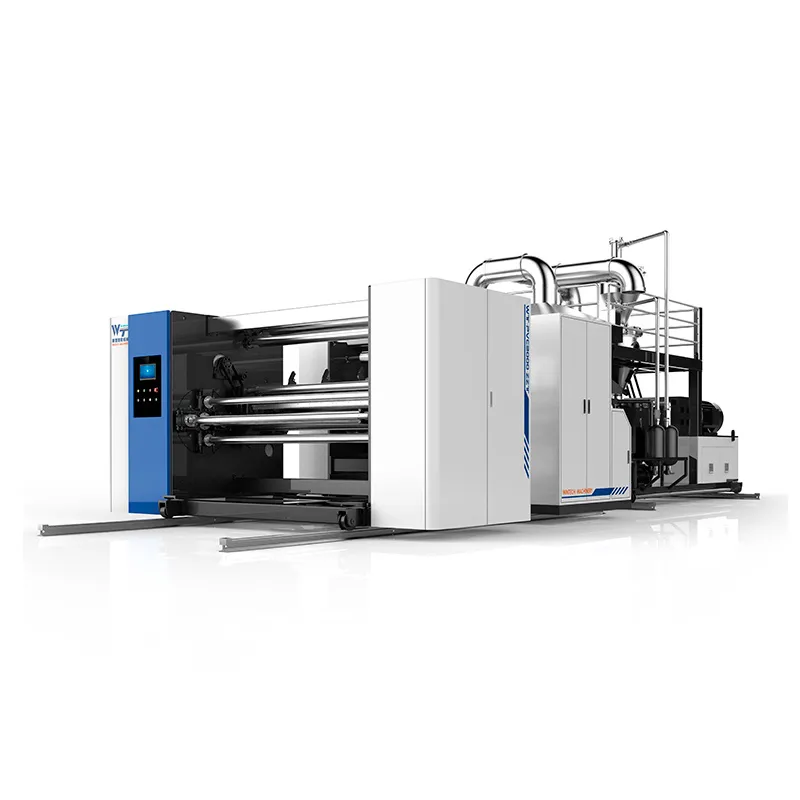
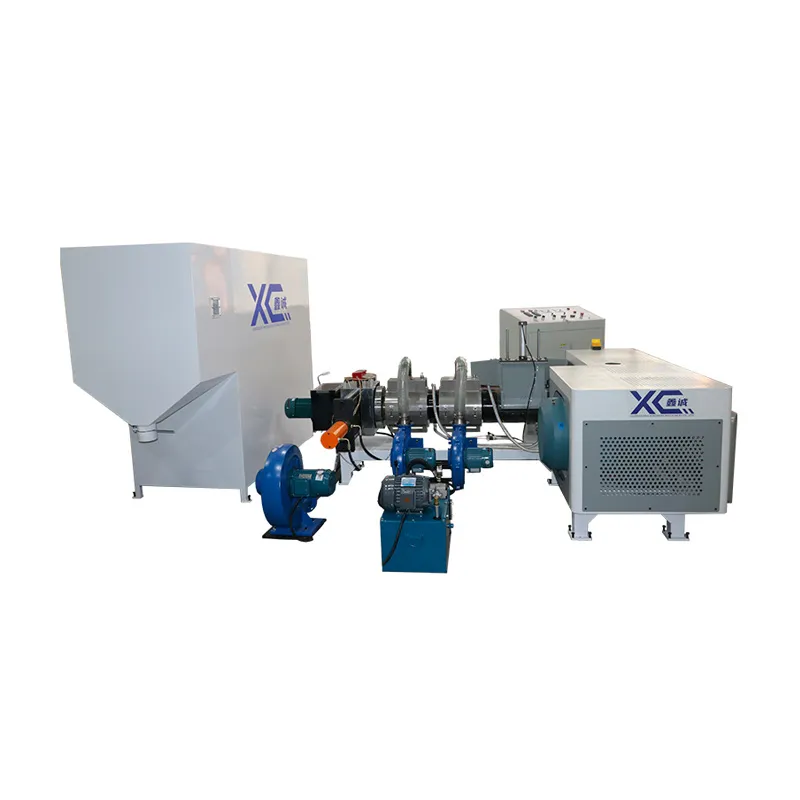
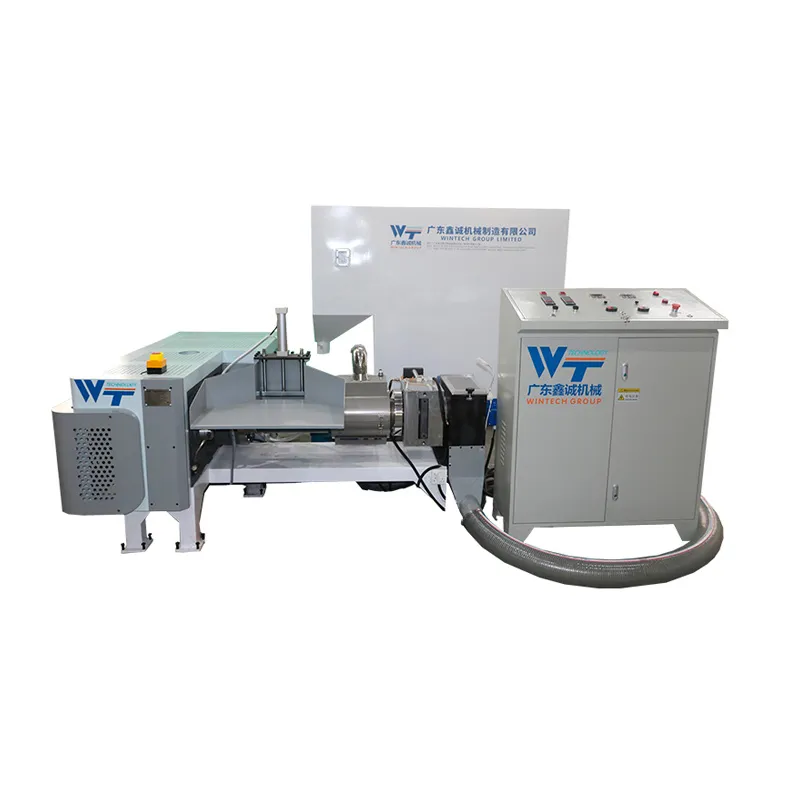


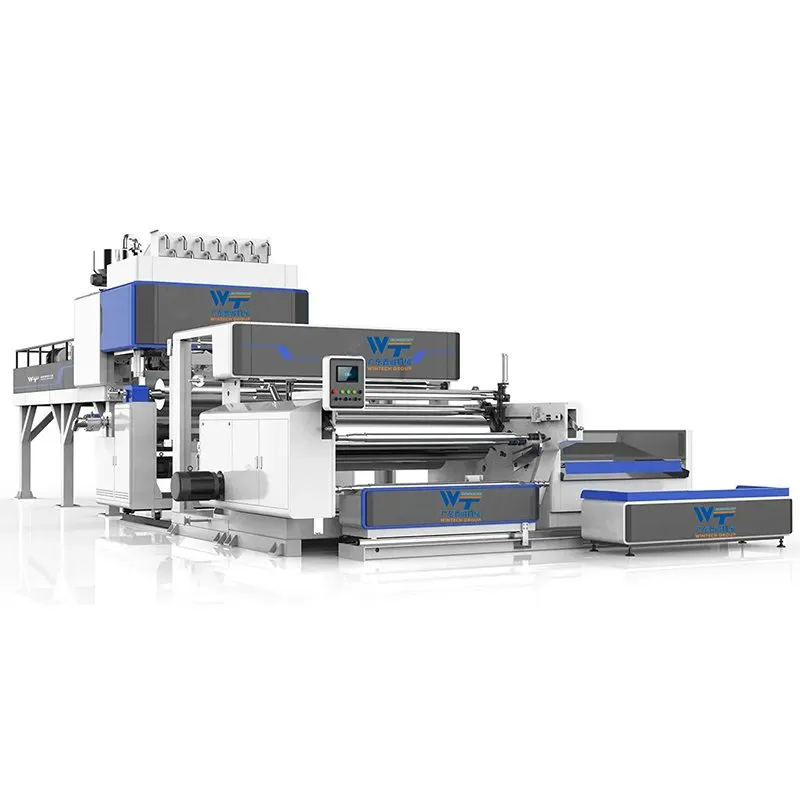 2400MM Full-Automatic Stretch Film Production Line
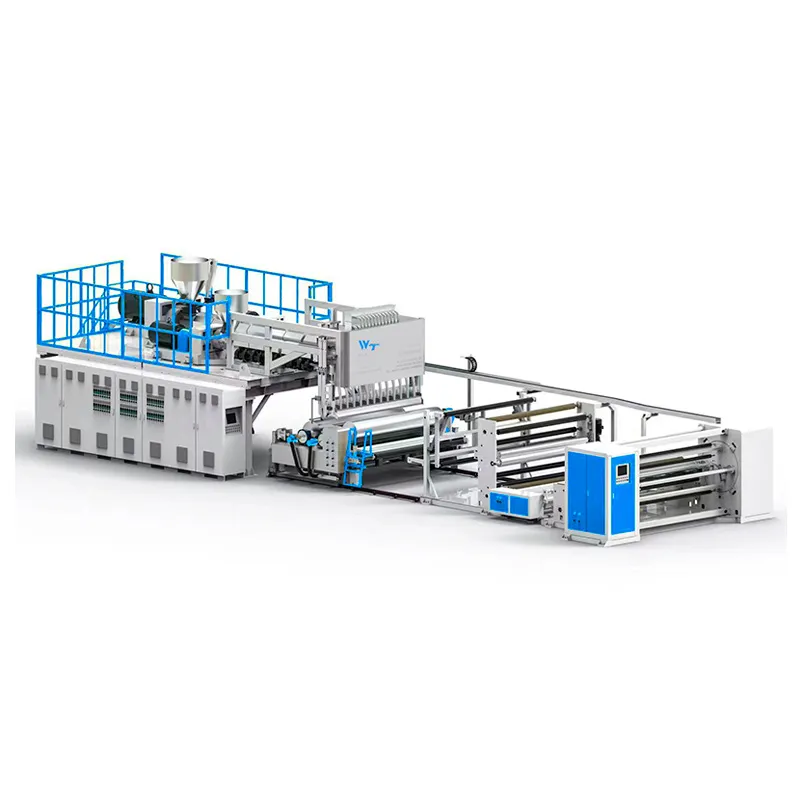
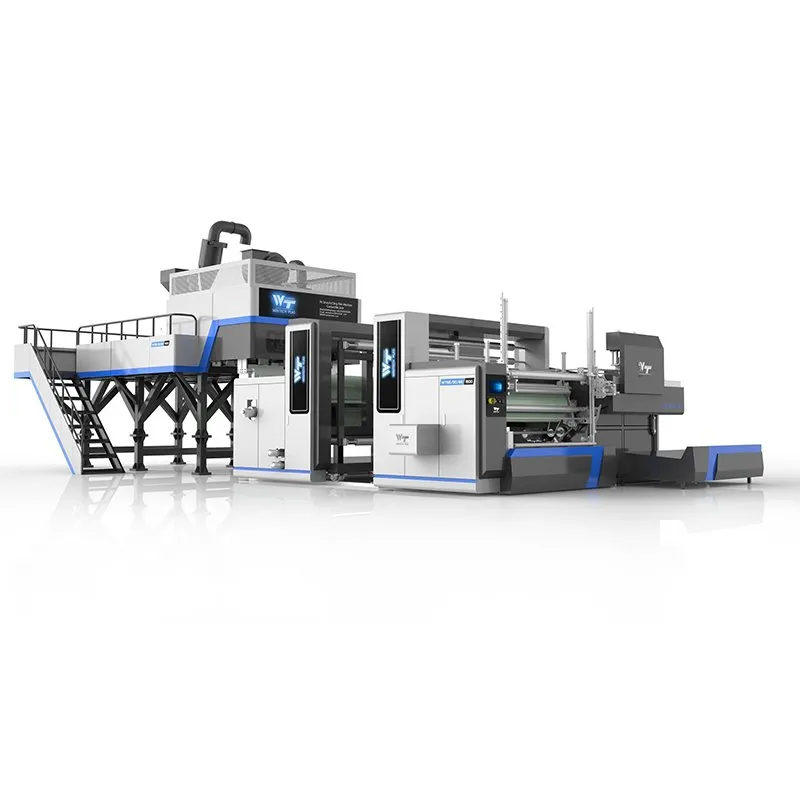 1850MM Three Five Layer Co-extrusion Stretch Film Production Line
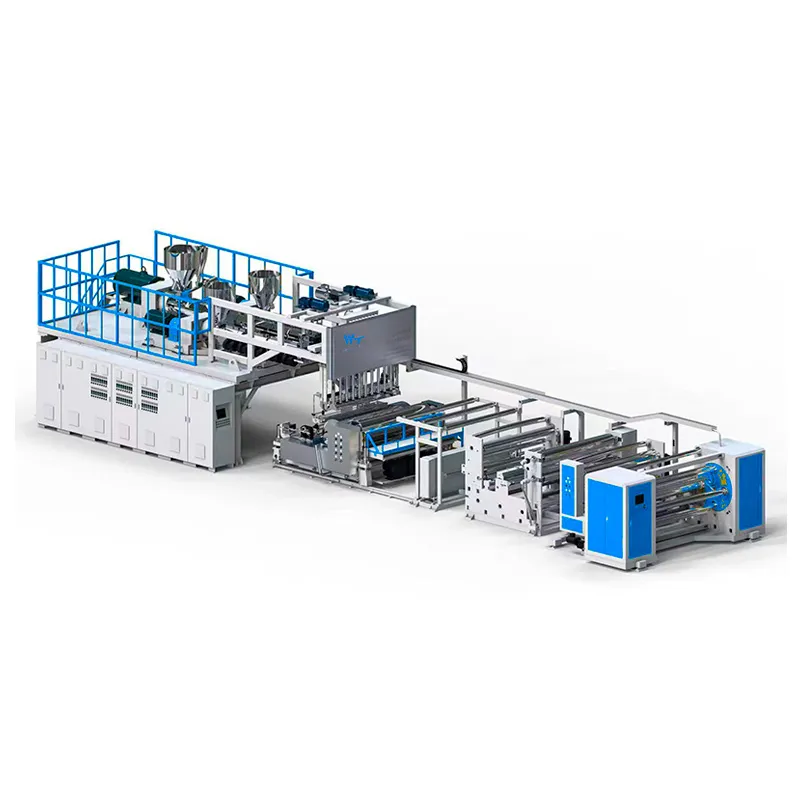
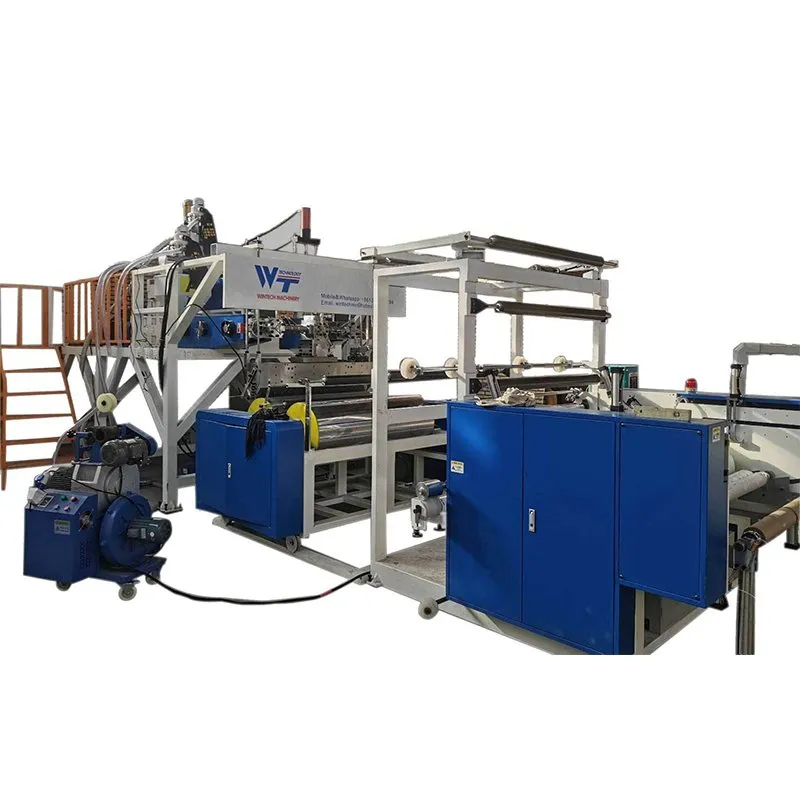 1250mm Automatic High Speed Three/Five Layer Co-extrusion Stretch Film Production Line
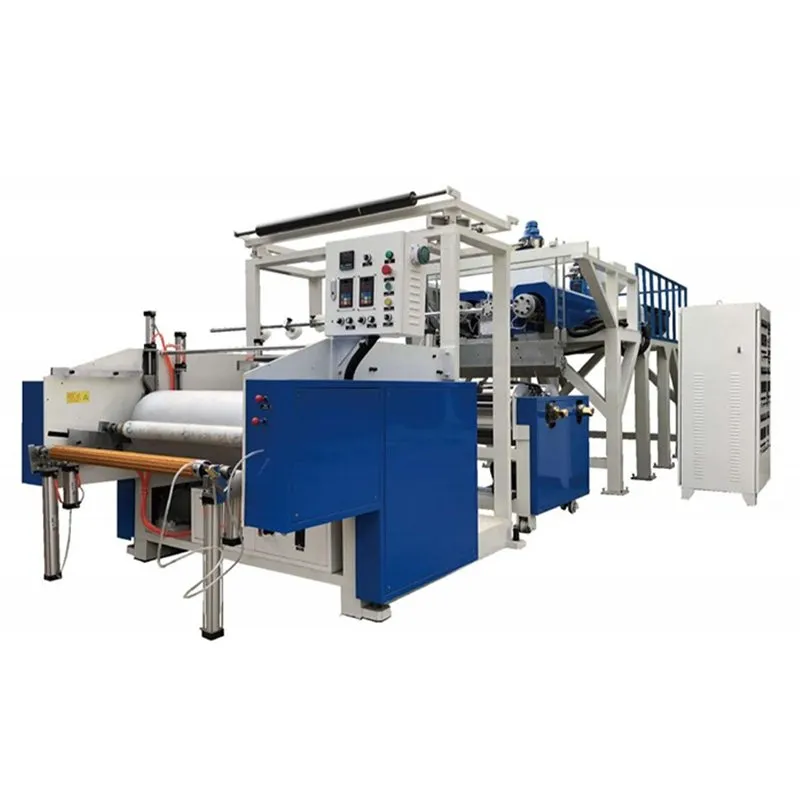 1250MM Fully Automatic High Speed Two/Three-layer Stretch Film Machinery
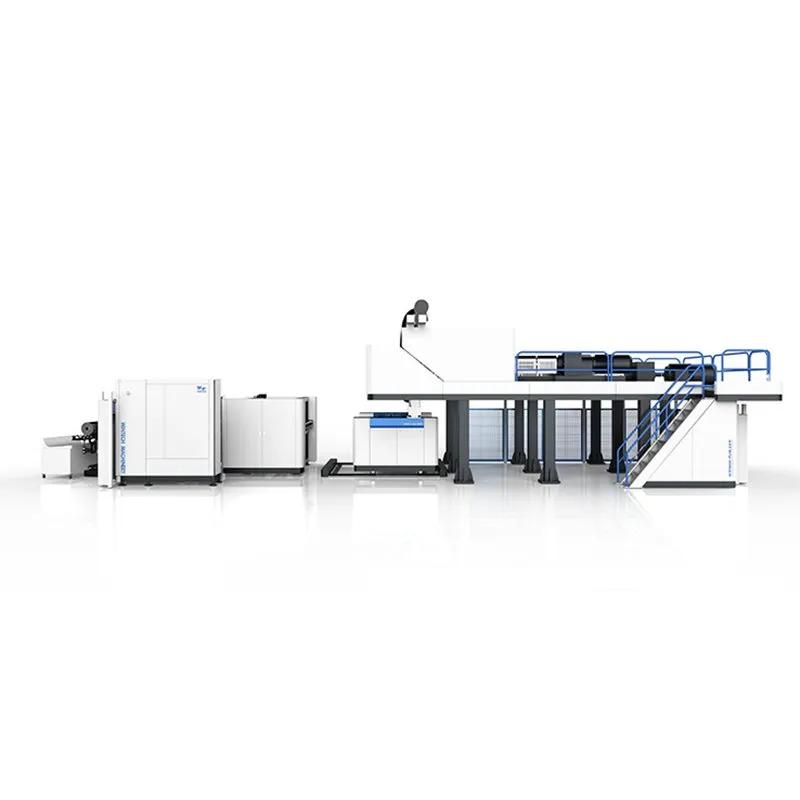 Four-Shafts Roll Change Automatic Cast Stretch Film Production Line
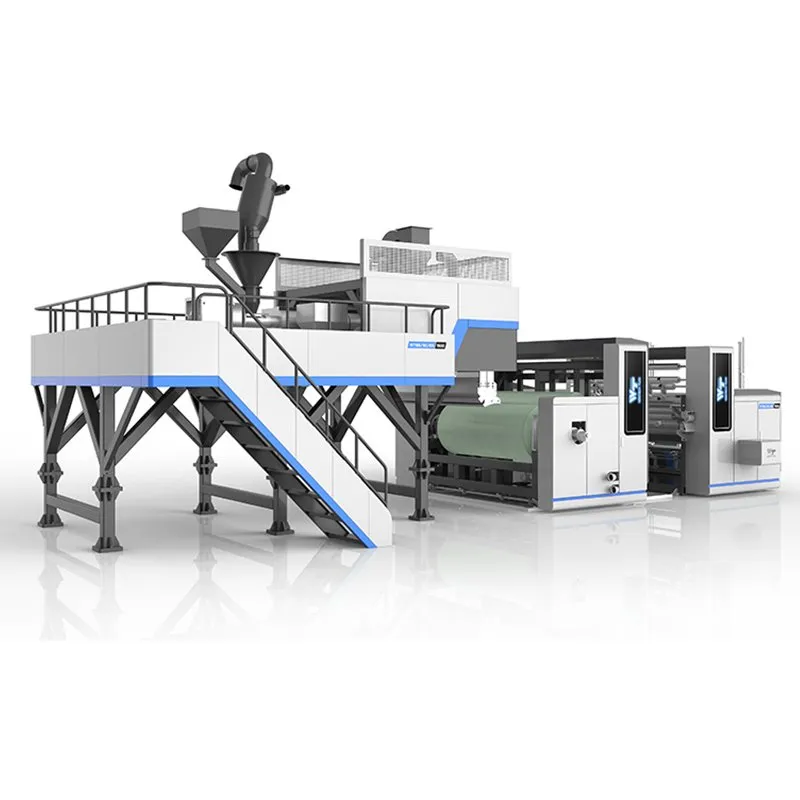 New Three-Shafts Automatic Stretch Film Production Line
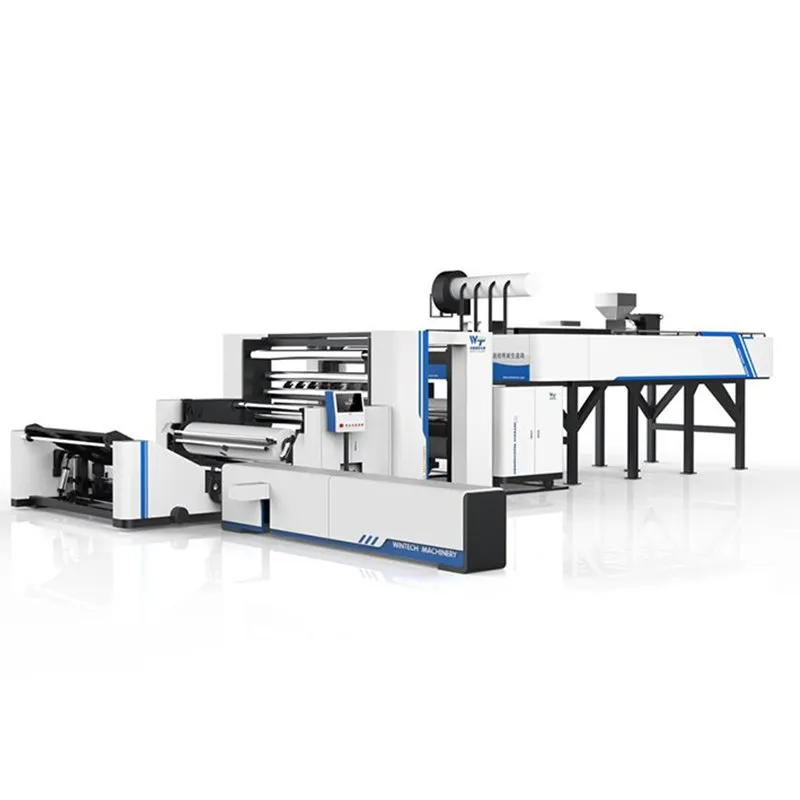 Full-Automatic Back Rest Stretch Film Production Line
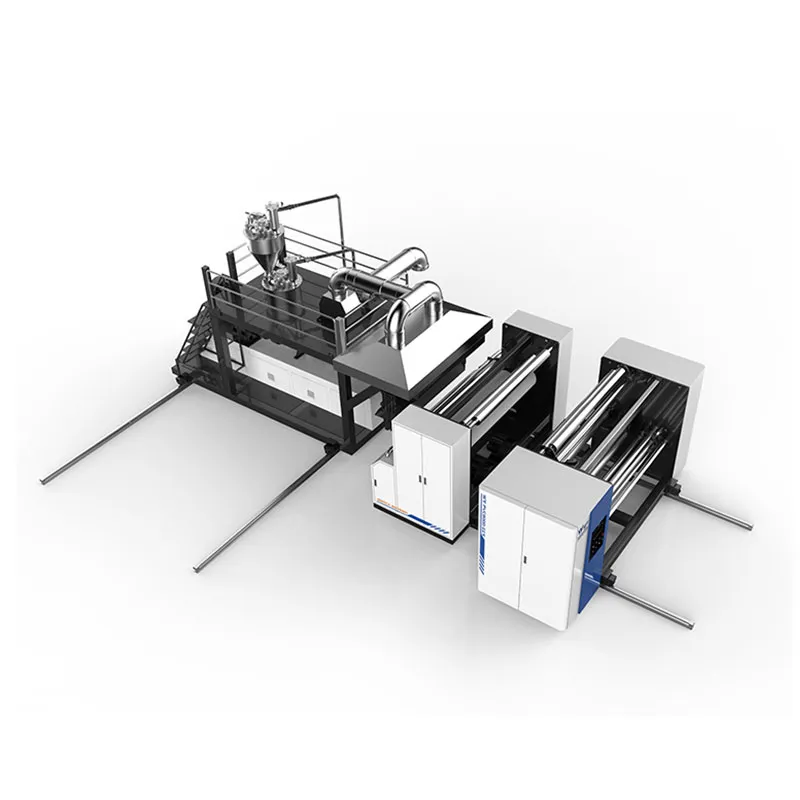 2400MM Cling Film Production Line
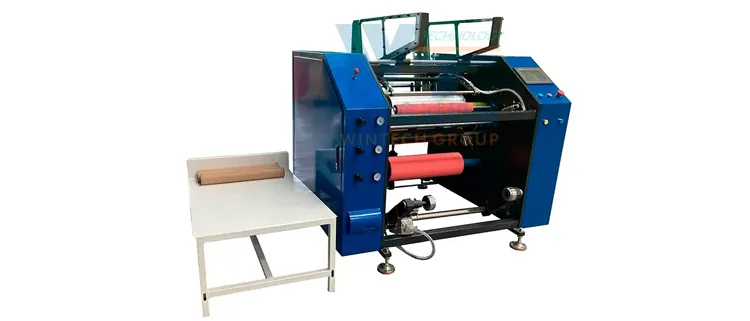
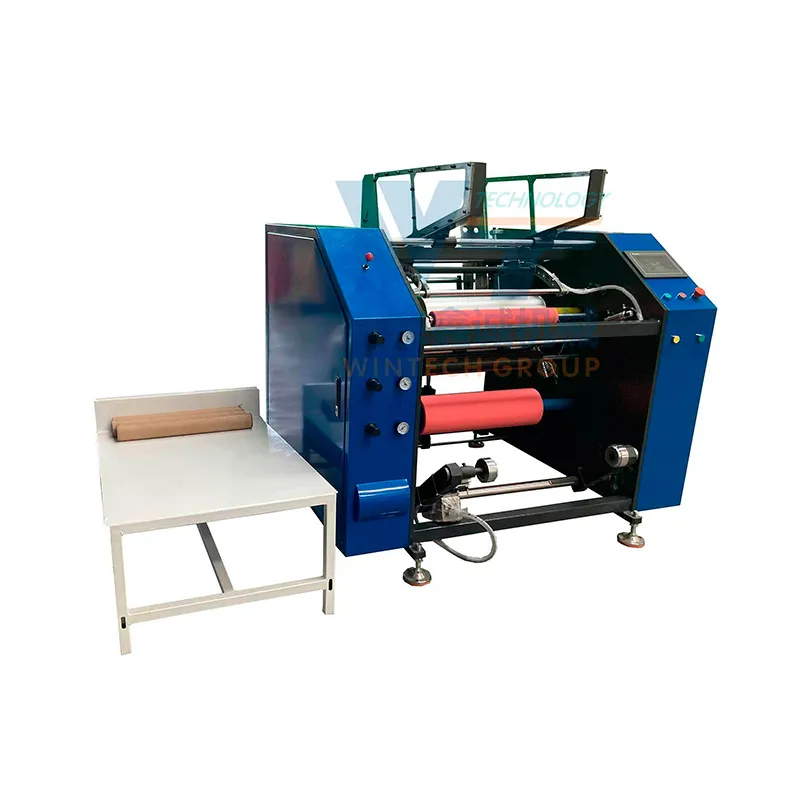 Fully Automatic Stretch/Cling Film Rewinding Machine
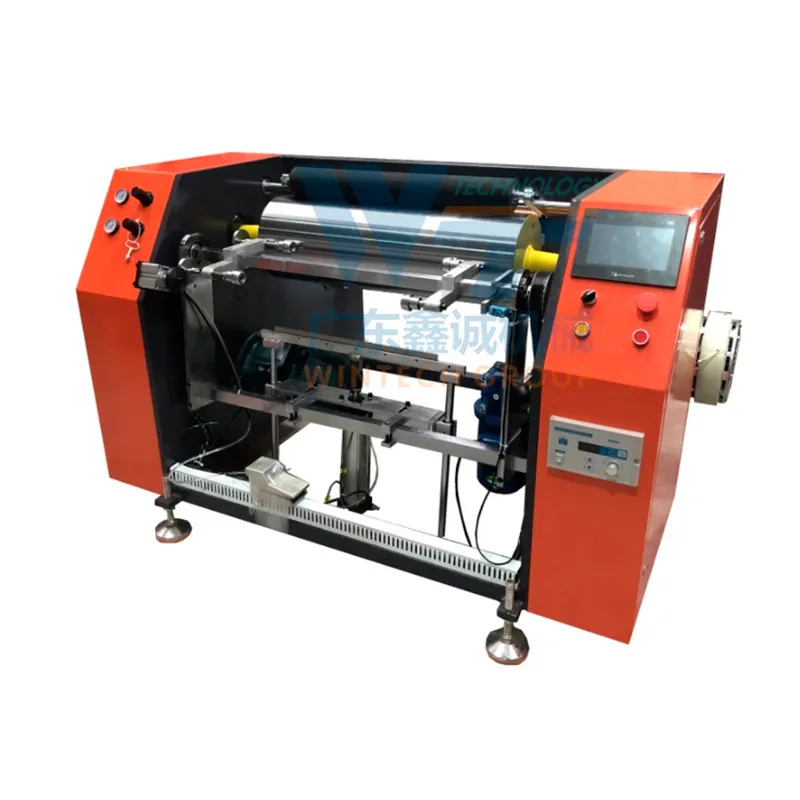 Semi-automatic High Speed Aluminum Foil Rewinding Machine
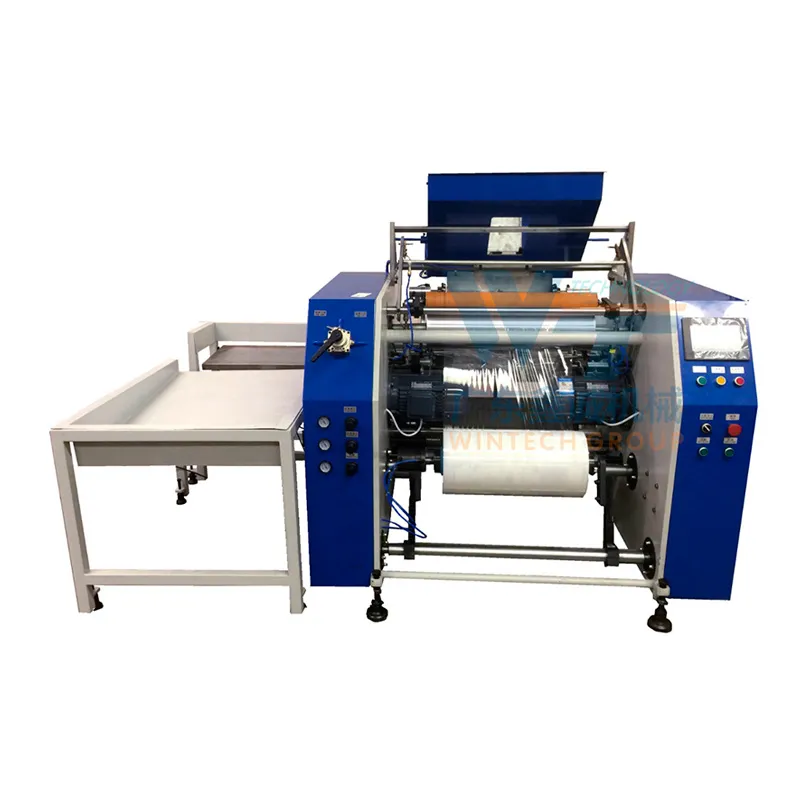 High Speed Pre Stretch/Cling Film Rewinding Machine
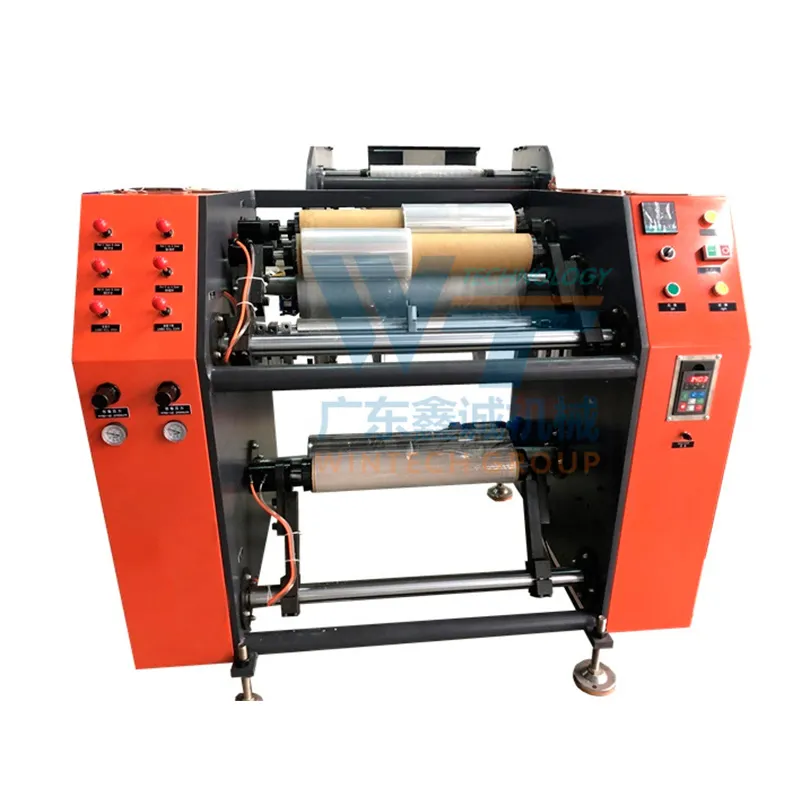 Semi-automatic Stretch/Cling Film Rewinding and Slitting Machine
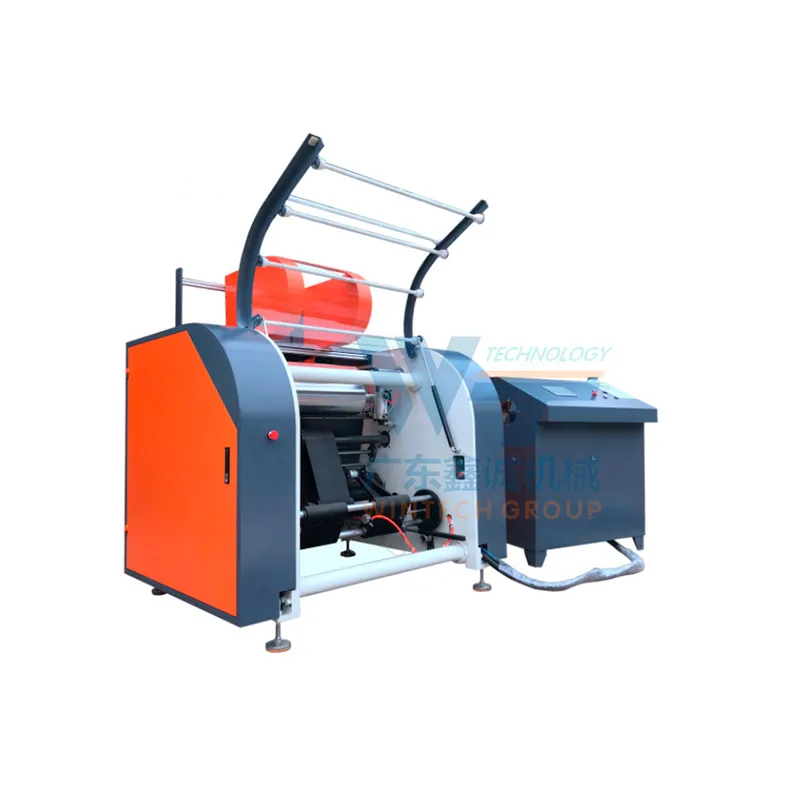 New Design Fully Automatic High Speed Rewinding Machine
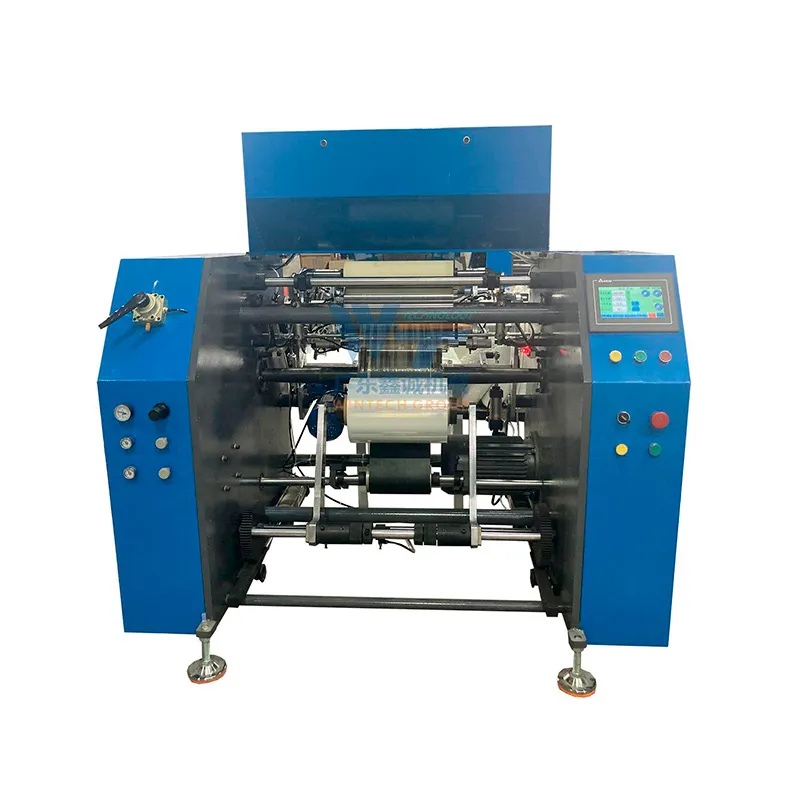 Five Shafts Fully Automatic Stretch/Cling Film Rewinding Machine