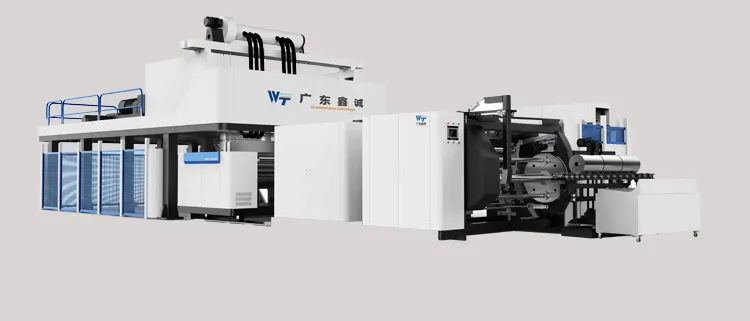
In the world of stretch film processing, two machines often cause confusion among newcomers and even some experienced operators: the rewinding machine and the slitting machine. Both involve unwinding a large parent roll and rewinding it onto smaller cores. Both feature tension control, guiding systems, and winding stations. Yet their purposes, outcomes, and operational logics are fundamentally different.
Choosing the wrong machine for your application can lead to wasted material, poor product quality, or severely reduced productivity. This article breaks down the essential differences between a stretch film rewinding machine and a slitting machine in plain terms so you can make the right investment.
What They Do: Purpose at a Glance
Rewinding machine – The goal is quality correction. It takes a less-than-perfect parent roll (or jumbo roll) of stretch film and transforms it into a commercial roll with smooth edges, even tension, and a defect-free surface. No width change occurs.
Slitting machine – The goal is size conversion. It takes a wide jumbo roll and cuts it lengthwise into multiple narrow rolls of specific widths. The focus is on dimensional accuracy and clean cut edges, not necessarily improving existing flaws.
In short: rewinding fixes quality issues; slitting changes width.
Core Difference 1: Blade System
The most obvious difference lies in the presence of cutting tools.A rewinding machine typically has no blades along the film path. The film travels from unwind to rewind through rubber-covered rollers, dancer arms, and edge guides. Some premium rewinding machines may include a slitter knife assembly for trimming uneven edges, but that is an auxiliary feature, not the main function. The film width remains identical from unwind to rewind.
A slitting machine, by contrast, is defined by its blades. Common configurations include shear cut (circular razor blades), score cut (blade against a hardened anvil roller), and razor cut (fixed blade for thin films). The number of blade sets determines how many finished rolls are produced from one parent roll. For example, a 500mm parent roll can be slit into five 100mm rolls. Without blades, a slitting machine cannot perform its job.
Core Difference 2: Tension Control Philosophy
Tension management reveals the second major difference.
Rewinding machines use low, decreasing tension (tapered tension). Why? Because the incoming parent roll may already have uneven winding hardness or tight spots. If the rewinder applies constant high tension, it will transfer those defects to the new roll. Instead, it starts with just enough tension to pull the film, then gradually reduces tension toward the outer layers. This creates a roll that unwinds smoothly without blocking or telescoping.
Slitting machines require stable, slightly higher tension for multi-roll consistency. When splitting one wide roll into, say, ten narrow rolls, each narrow strip must be wound at nearly identical tension. Otherwise, some rolls will be too tight (causing film stretch) and others too loose (causing core wobble). Modern slitters use independent tension zones or closed-loop load cell feedback to keep all rolls uniform. Additionally, a rider roller (surface winding drum) often presses on the winding rolls to maintain roundness, something rarely needed on a rewinder.
Core Difference 3: Final Product Characteristics
Walk into any warehouse, and you can often tell which machine produced a given roll just by looking at it.
For a rewinder, the outcome is a ready-to-use commercial roll that meets premium cosmetic standards. The width remains the same as the parent roll. The edges are exceptionally smooth, mirror-like. Roll hardness is soft to medium, uniform from core to surface. Typical defects fixed include wrinkles, baggy lanes, telescoping, and dirty surfaces.
For a slitter, the outcome is multiple functional rolls that meet width specifications but may still carry original surface defects. The width becomes narrower, such as converting 500mm into five 100mm rolls. Edges are clean but may have minimal burr or dust. Roll hardness is firm, often with a slightly harder inner layer. The slitter does not fix existing defects.
Application Scenarios: When to Use Which
Choose a stretch film rewinding machine when you produce your own jumbo rolls and want to inspect and repair them before selling. Also choose it when your customer demands zero wrinkles, perfect edges, and consistent unwind tension for automated packaging lines. It is also the right choice when you need to reverse the winding direction, or when you want to splice two partial rolls into one long roll for continuous packaging.
Choose a stretch film slitting machine when your main business is converting wide industrial rolls into standard retail or hand-use widths, such as turning 500mm into 200mm, 300mm, and 100mm rolls. Also choose it when you receive parent rolls from a reliable film producer that already has good surface quality. It is ideal when you need to maximize yield from a single jumbo roll by producing multiple narrow rolls simultaneously, or when you run a distribution center that supplies stretch film in various widths to different customers.
Common Misconceptions
Myth 1: A slitting machine can also rewind damaged film. No. If a parent roll has wrinkles or soft spots, slitting will not fix them. The blades may even snag on defects, causing film breaks. Always rewind before slitting if quality is poor.
Myth 2: A rewinding machine with a trim knife is as good as a slitter. Not for multi-width production. A trim knife only cuts off a ragged edge, usually 5 to 10mm per side. It cannot split a roll into three or more usable widths.
Myth 3: Combination machines do both jobs equally well. Some combo units exist, but they typically compromise: slitting precision is lower than a dedicated slitter, and rewinding softness is worse than a dedicated rewinder. They work for low-volume, undemanding applications only.
Which One Should You Buy First?
This depends entirely on your position in the supply chain.If you manufacture stretch film (cast or blown), buy a rewinding machine first. Your parent rolls coming off the extrusion line will inevitably have edge irregularities and tension variations. A rewinder turns these into saleable commercial rolls. You may add a slitter later if you decide to sell direct to end users.
If you buy jumbo rolls and resell in smaller widths, buy a slitting machine. Your supplier should deliver defect-free parent rolls; your job is width conversion, not quality repair.
If you are a large converter handling both roles, you will eventually need both machines. First a rewinder for inspection, then a slitter for width reduction. The sequence matters: rewind first, slit second.
Conclusion
The stretch film rewinding machine and slitting machine may look similar from a distance, but their missions are distinct. The rewinder is a quality tool. It polishes, repairs, and perfects. The slitter is a dimensional tool. It divides, converts, and multiplies output.
Understanding this difference prevents costly mistakes. Buying a slitter to fix wrinkled film will lead to frustration. Buying a rewinder when you need multiple narrow widths will waste time and labor. Match the machine to your real problem: if the issue is poor roll quality, choose a rewinder. If the issue is wrong width, choose a slitter. And if you face both problems, buy both, but always rewind before you slit.
Remember: In stretch film processing, quality and size are two different battles. Fight each with the right weapon.
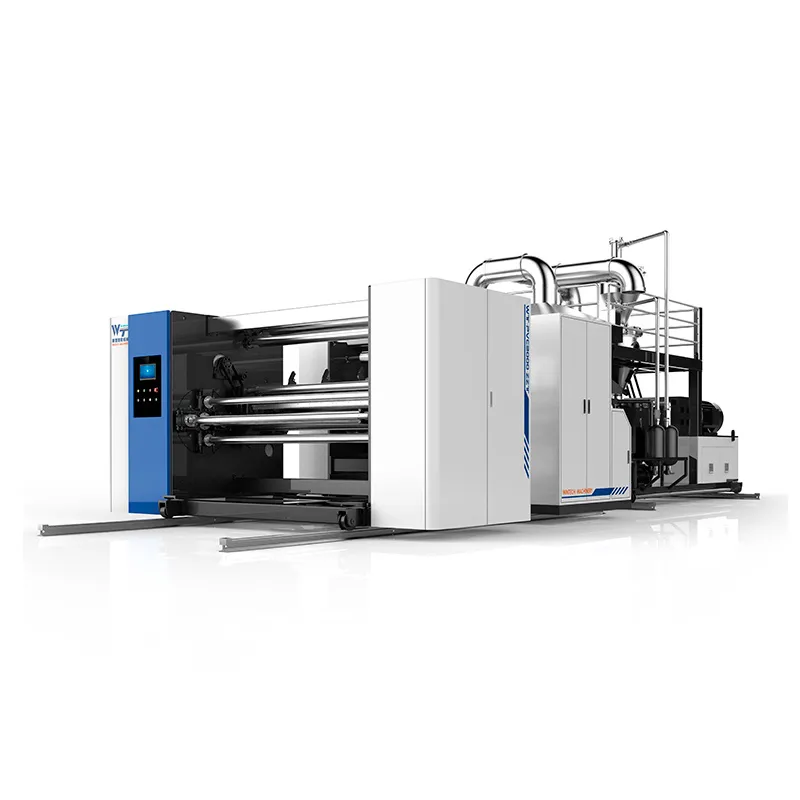
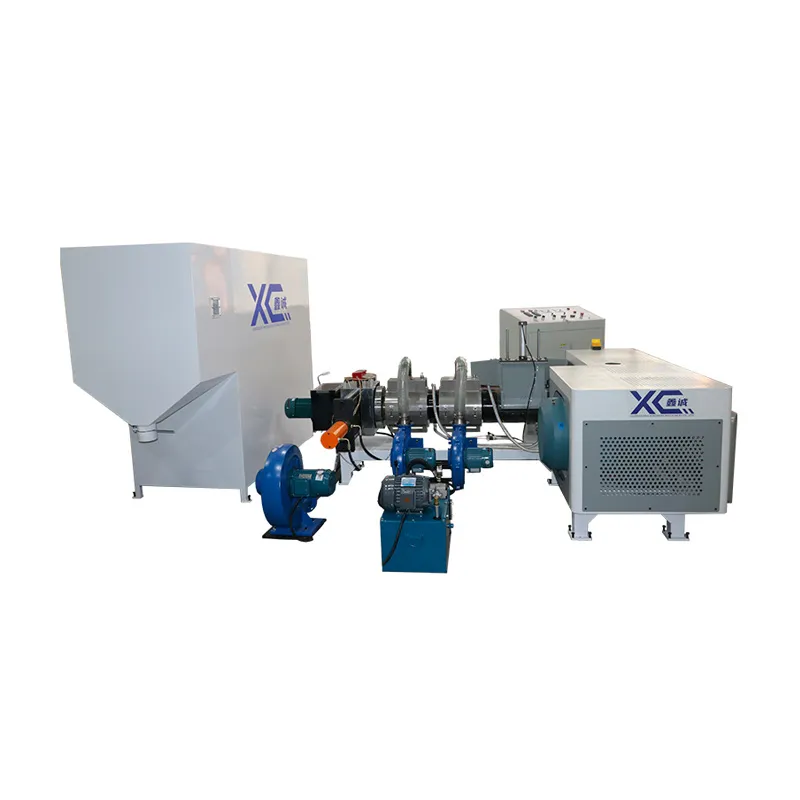
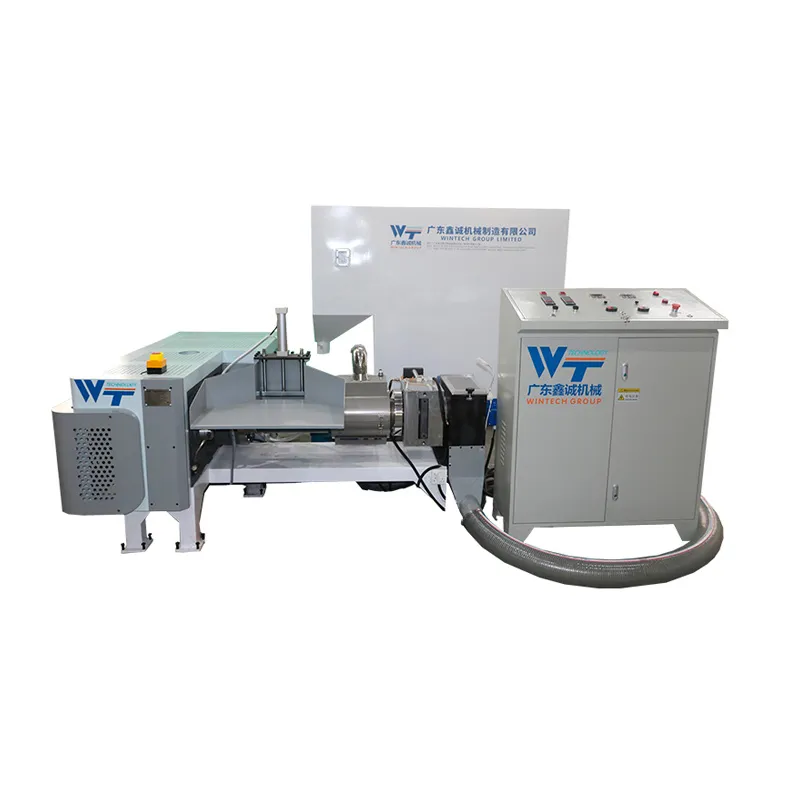


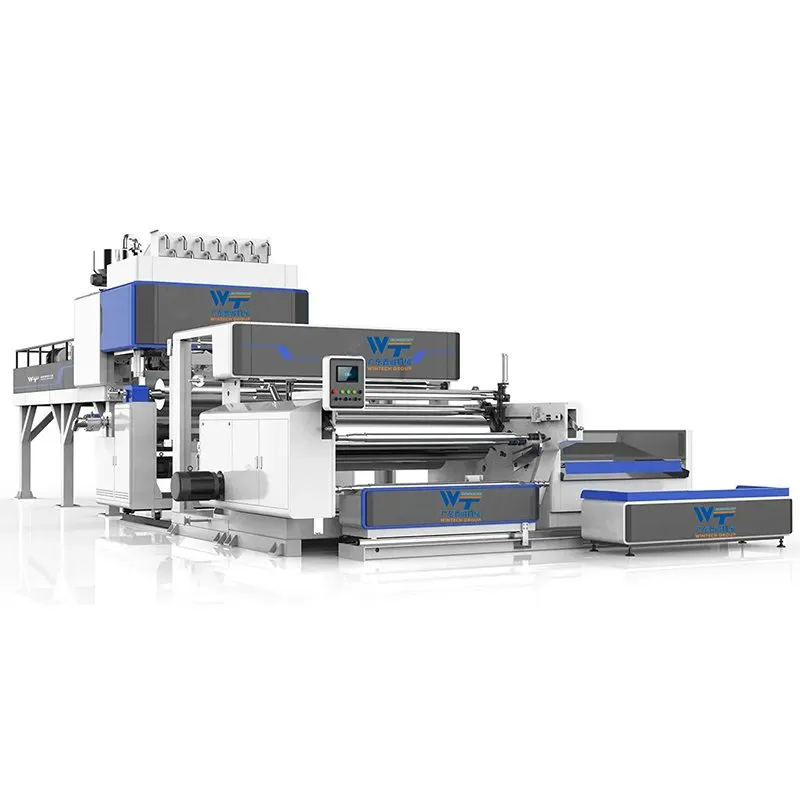 2400MM Full-Automatic Stretch Film Production Line
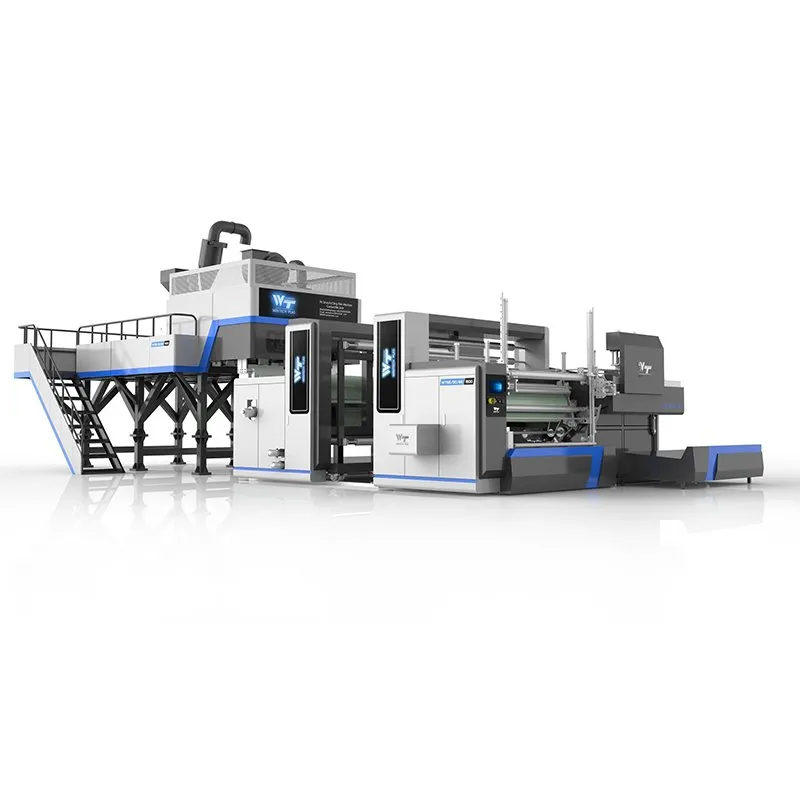 1850MM Three Five Layer Co-extrusion Stretch Film Production Line
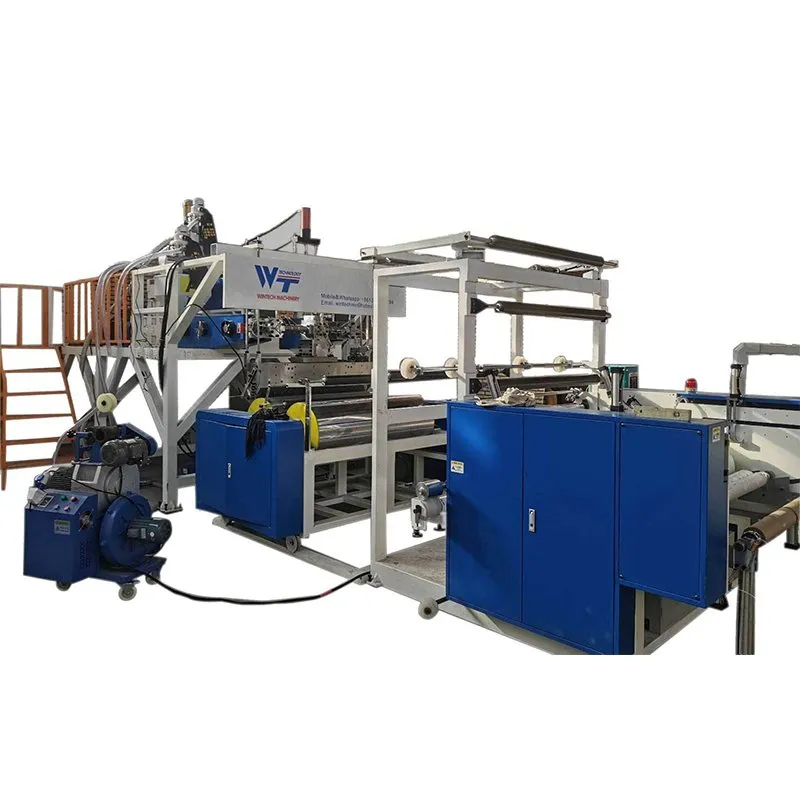 1250mm Automatic High Speed Three/Five Layer Co-extrusion Stretch Film Production Line
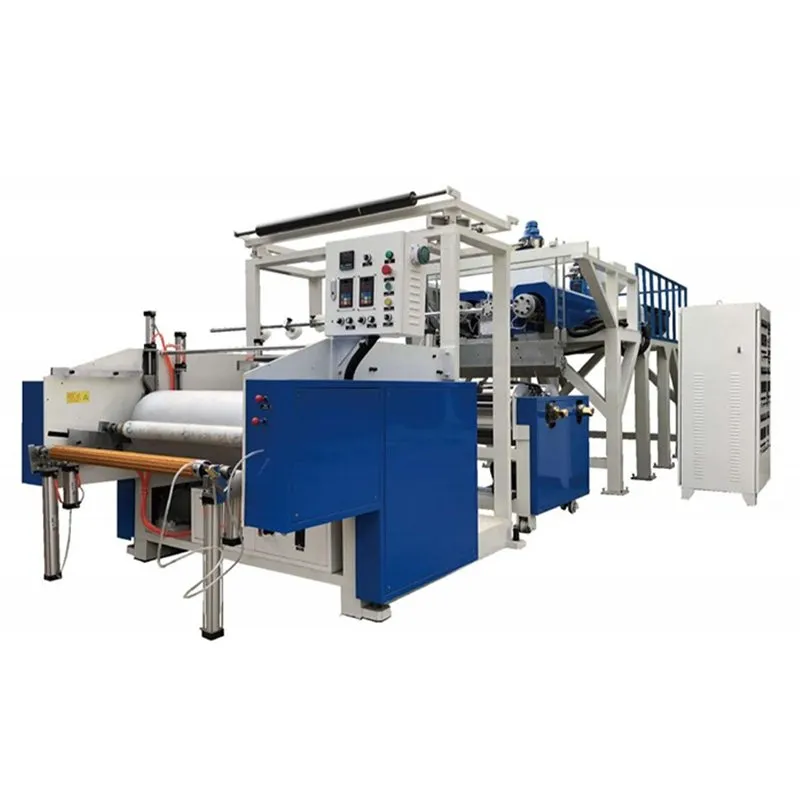 1250MM Fully Automatic High Speed Two/Three-layer Stretch Film Machinery
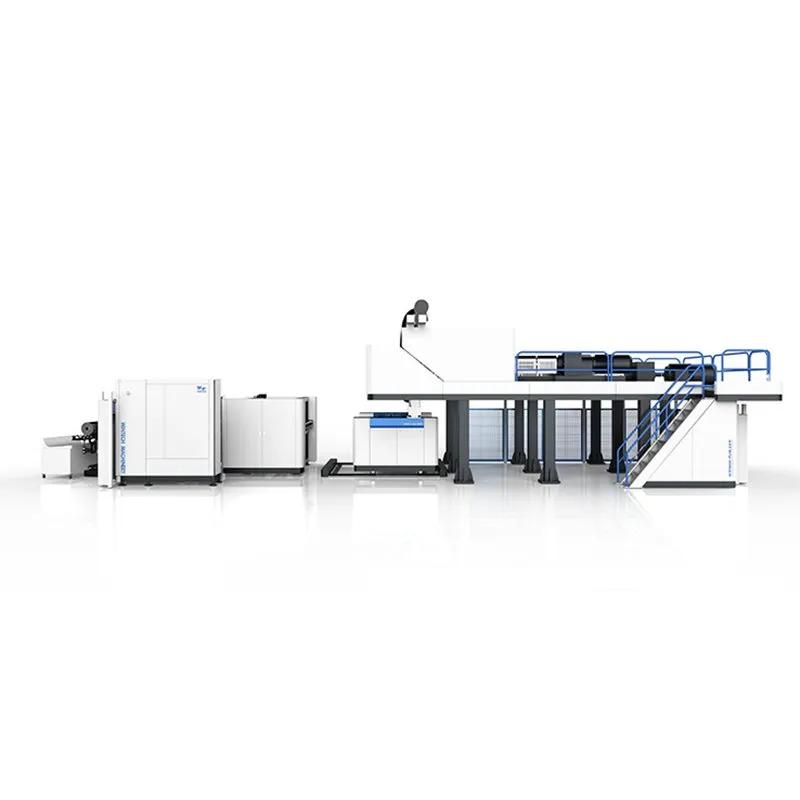 Four-Shafts Roll Change Automatic Cast Stretch Film Production Line
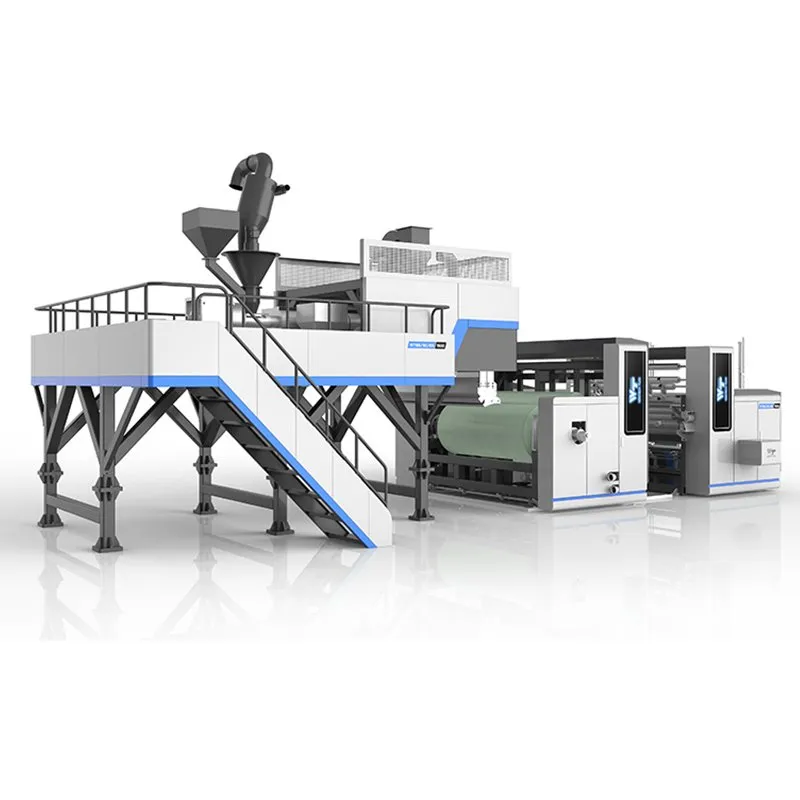 New Three-Shafts Automatic Stretch Film Production Line
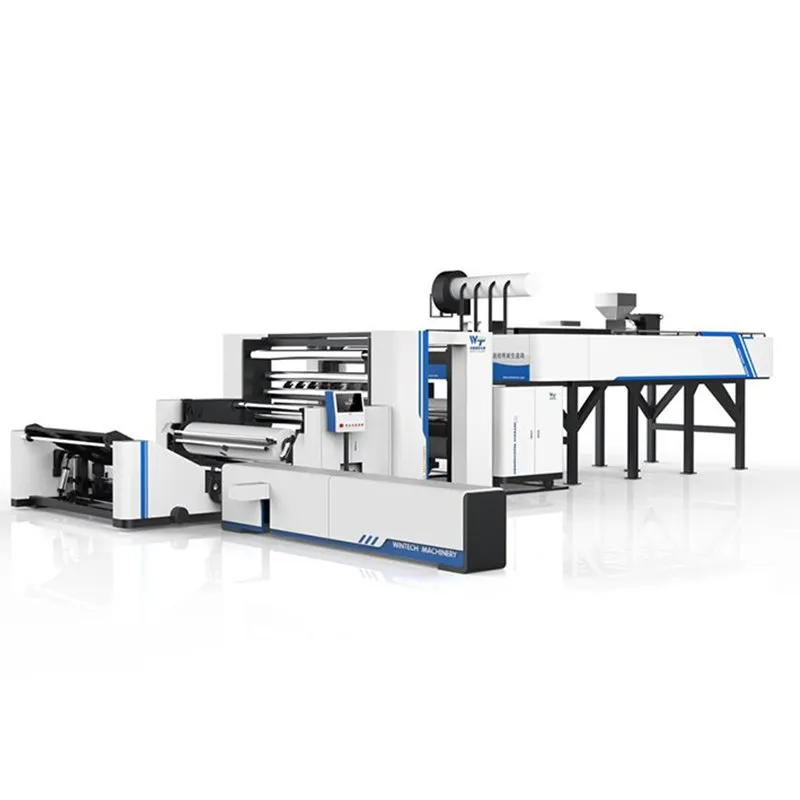 Full-Automatic Back Rest Stretch Film Production Line
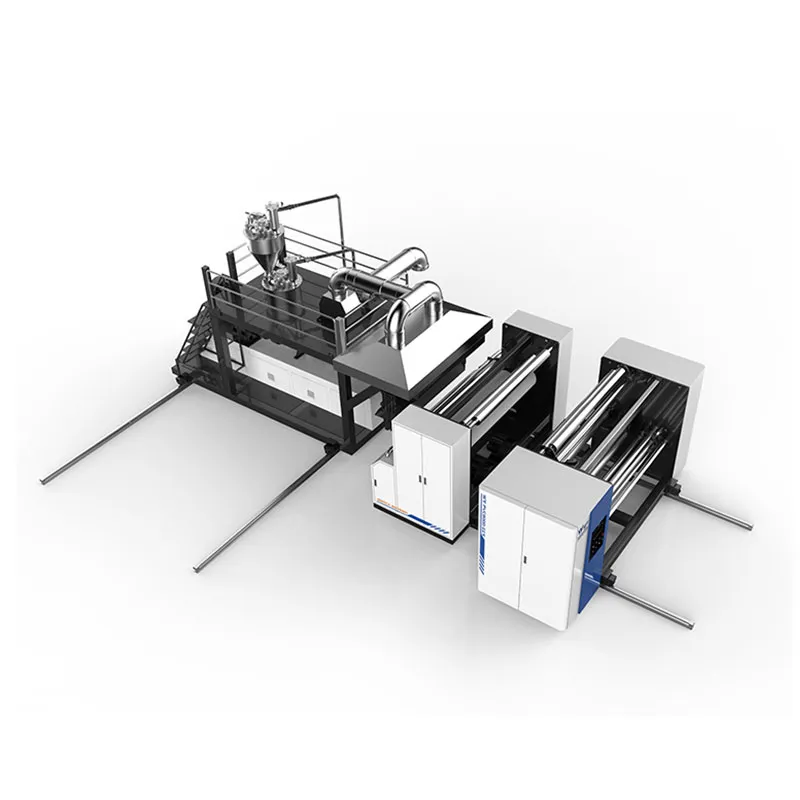 2400MM Cling Film Production Line
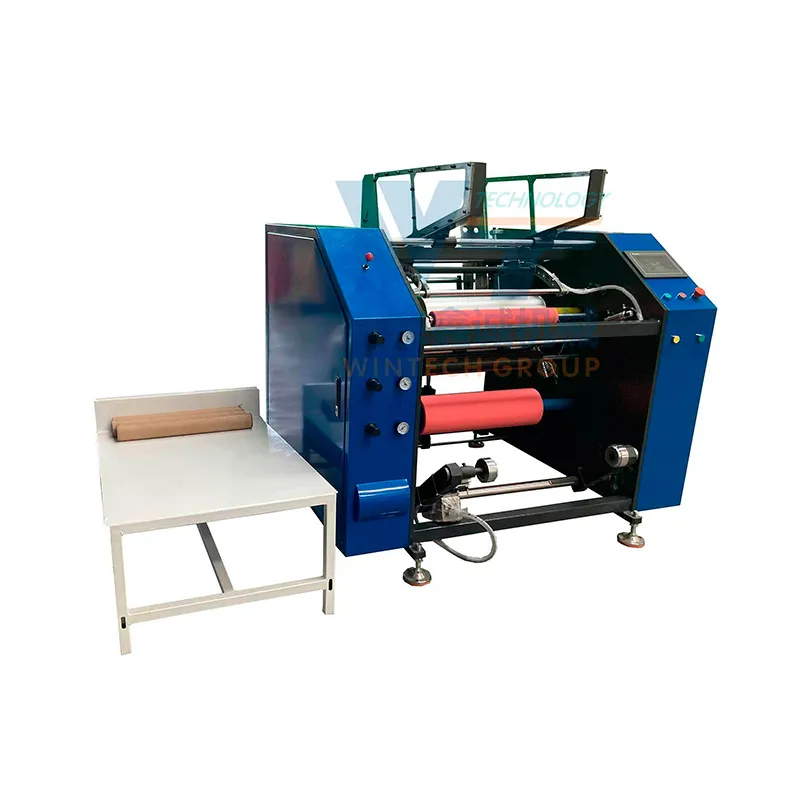 Fully Automatic Stretch/Cling Film Rewinding Machine
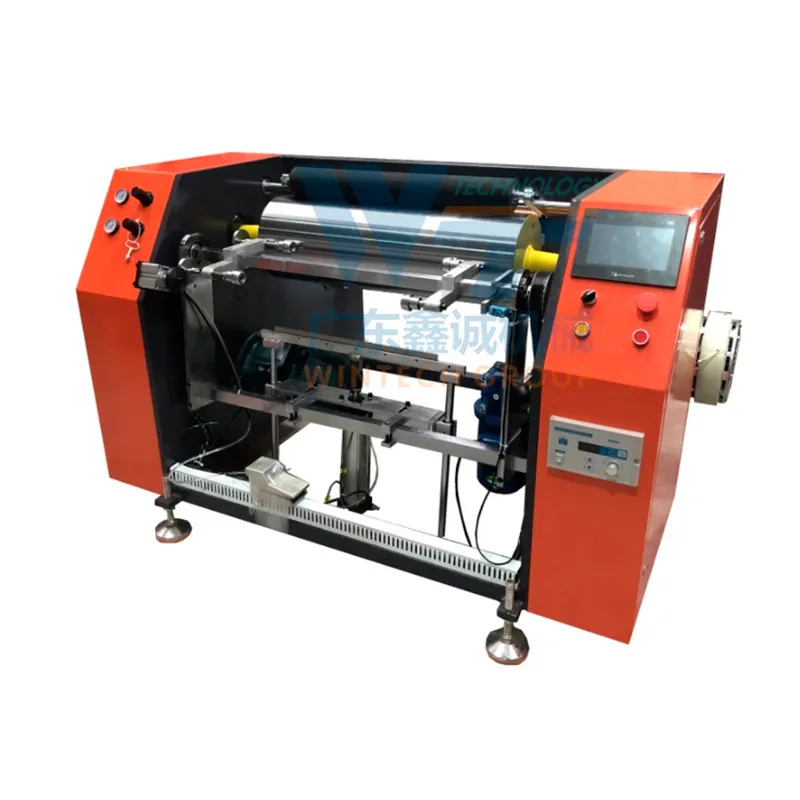 Semi-automatic High Speed Aluminum Foil Rewinding Machine
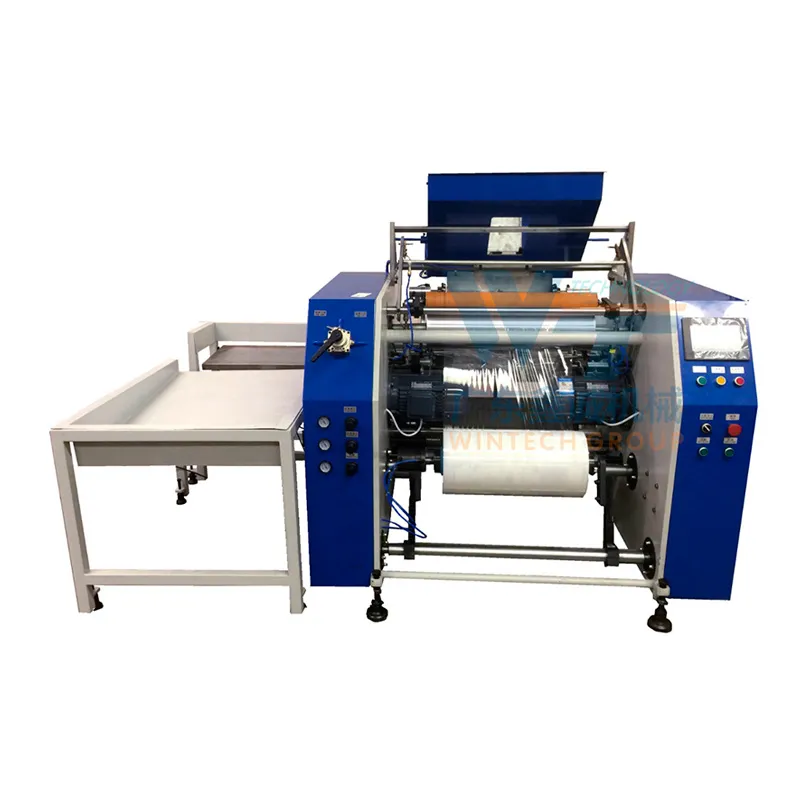 High Speed Pre Stretch/Cling Film Rewinding Machine
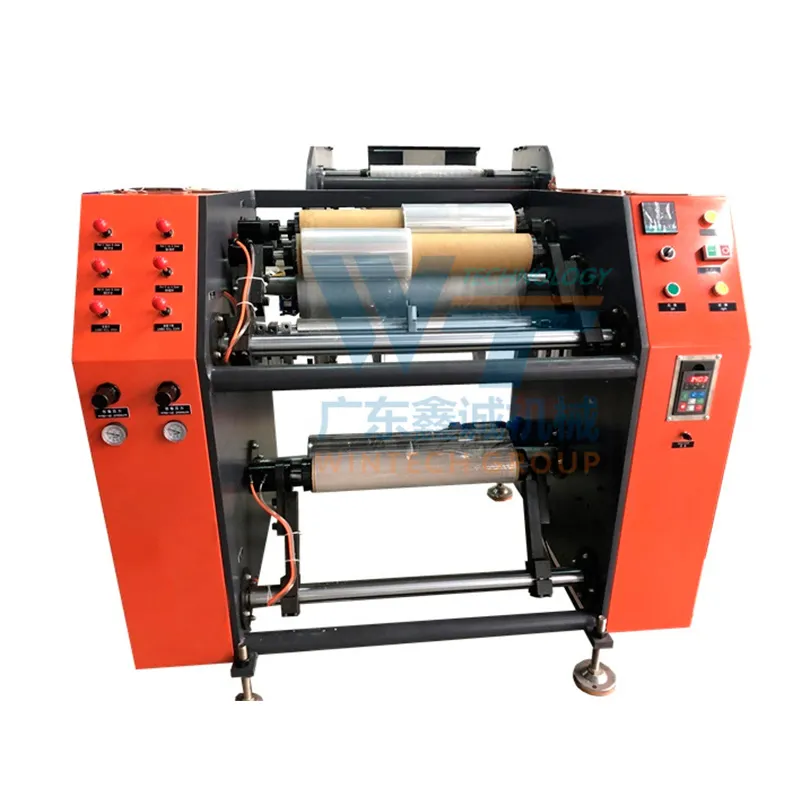 Semi-automatic Stretch/Cling Film Rewinding and Slitting Machine
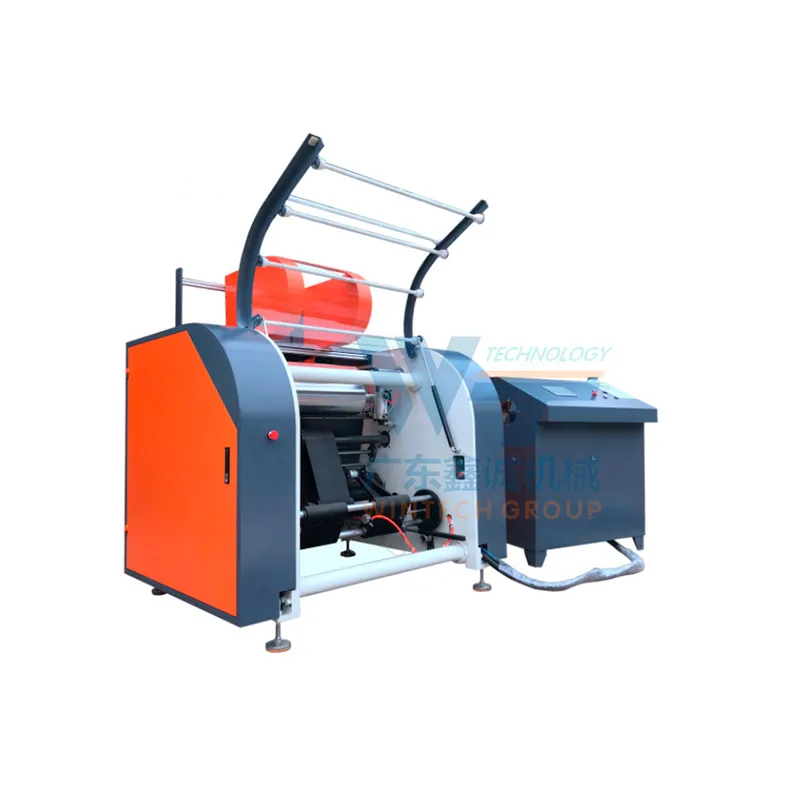 New Design Fully Automatic High Speed Rewinding Machine
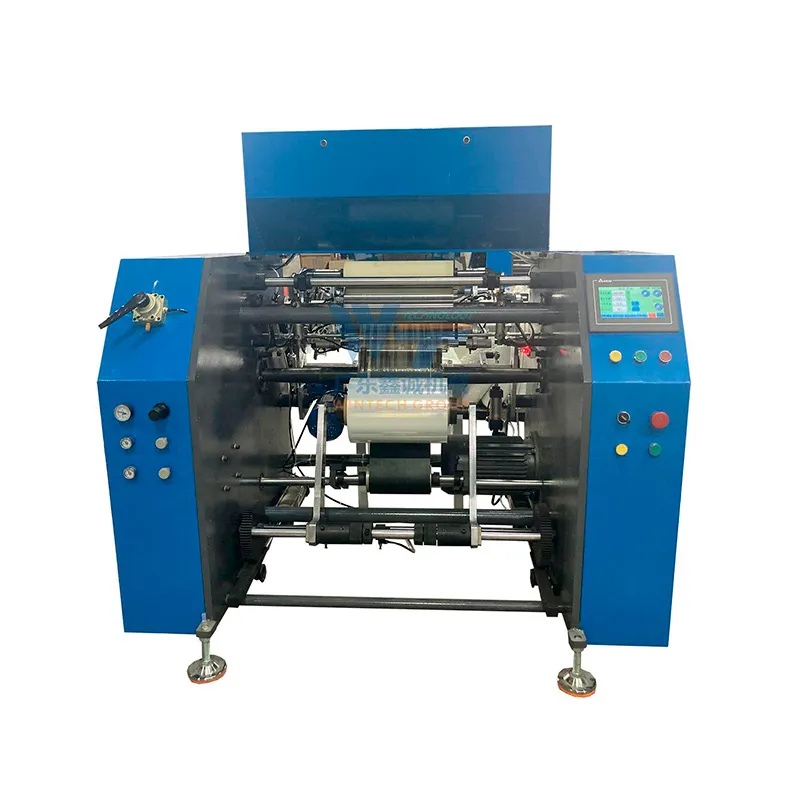 Five Shafts Fully Automatic Stretch/Cling Film Rewinding Machine