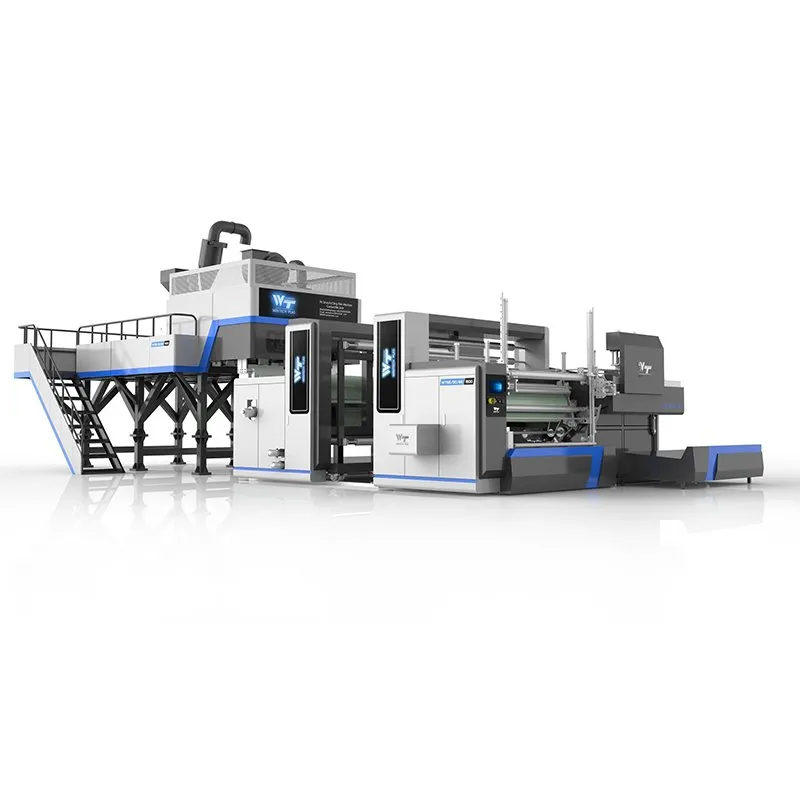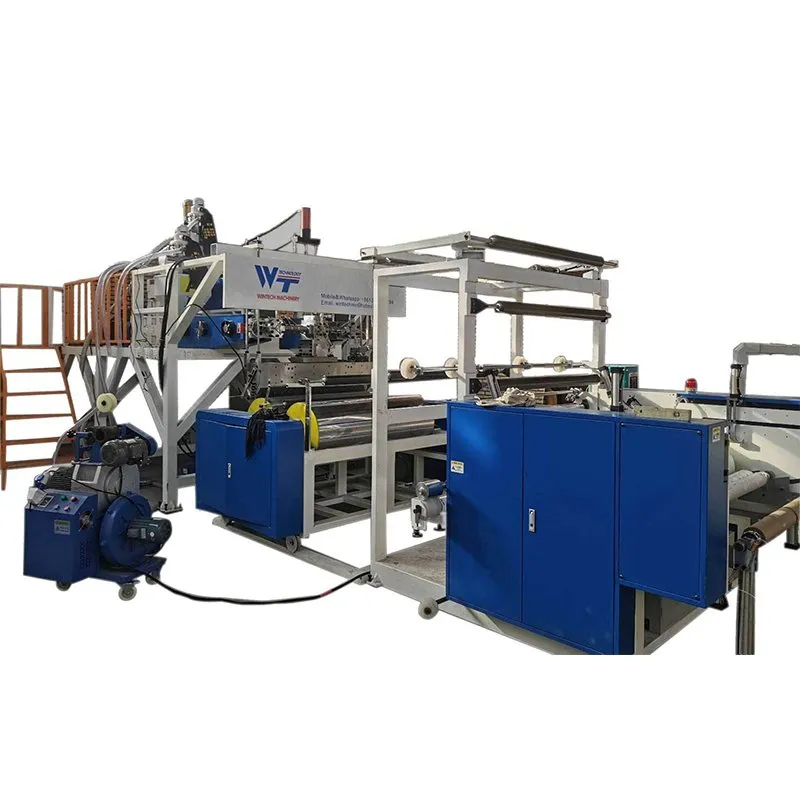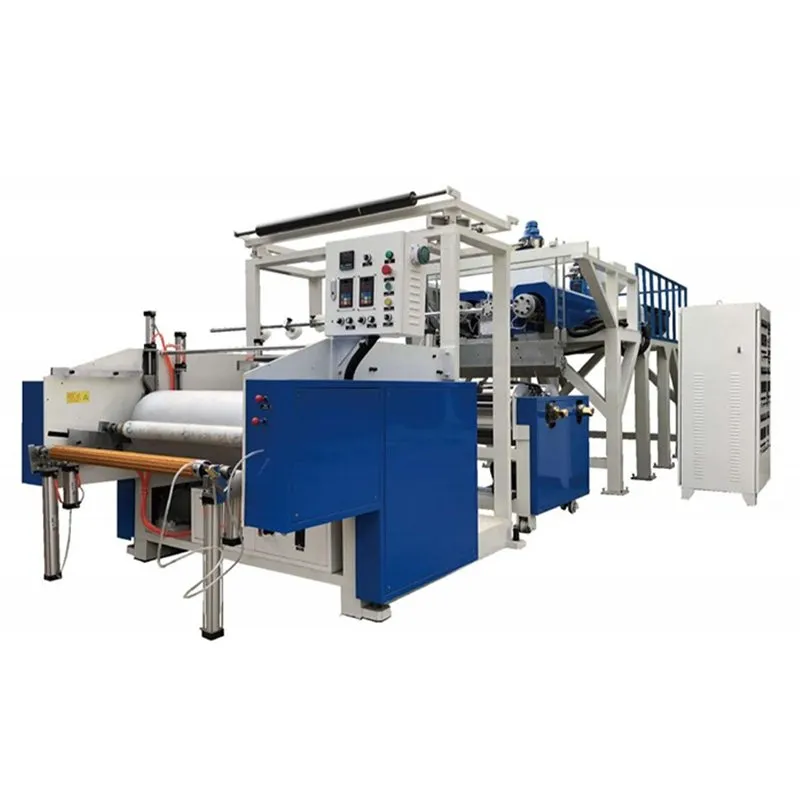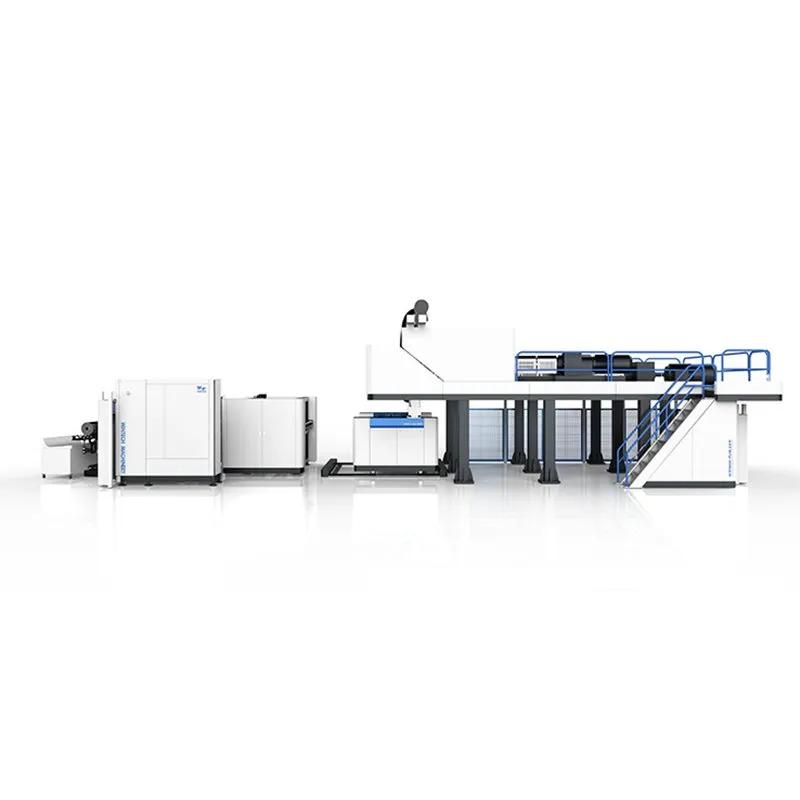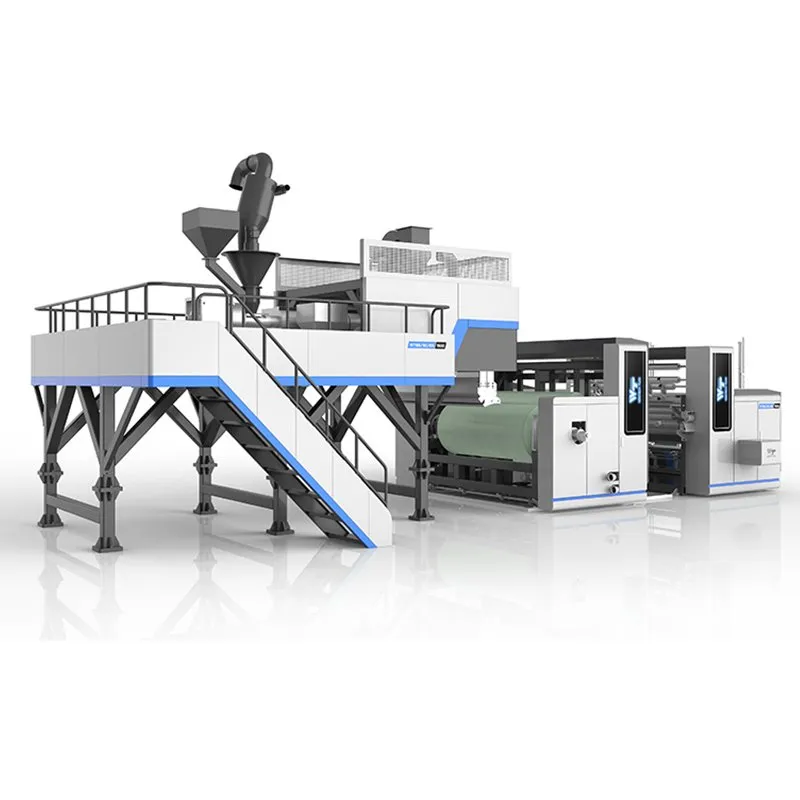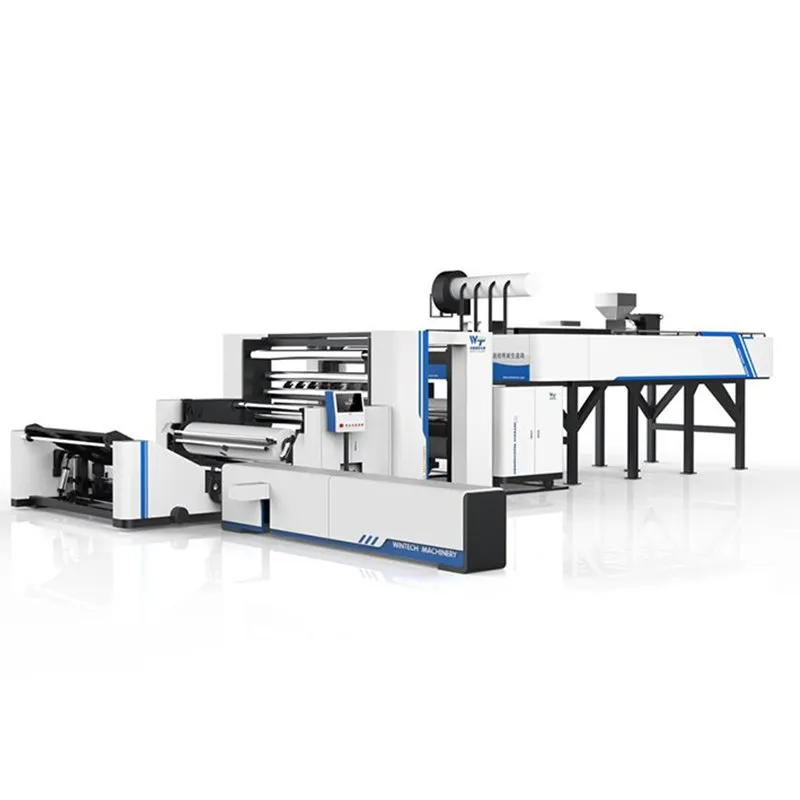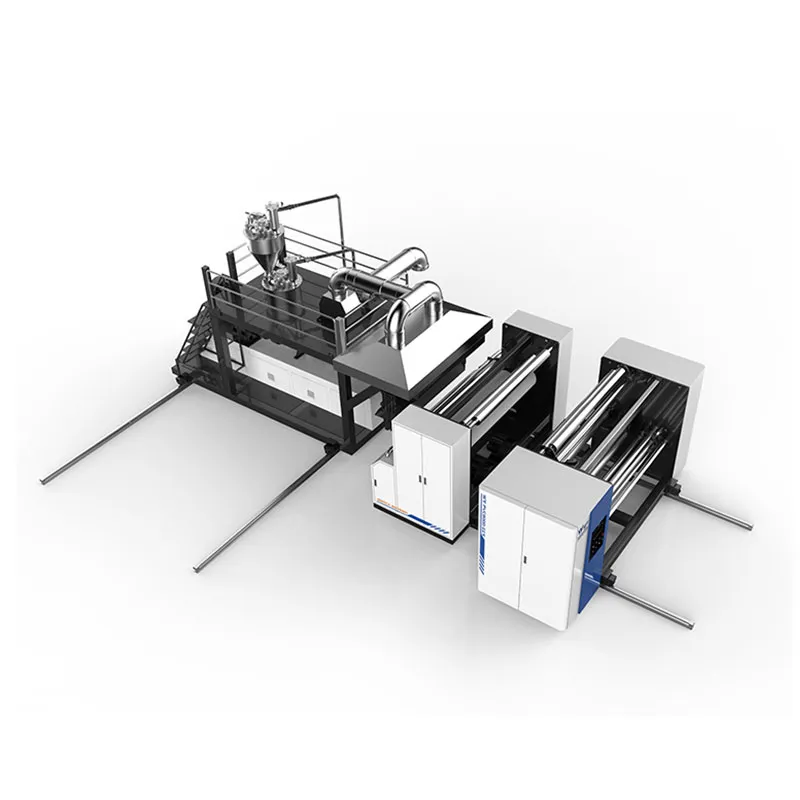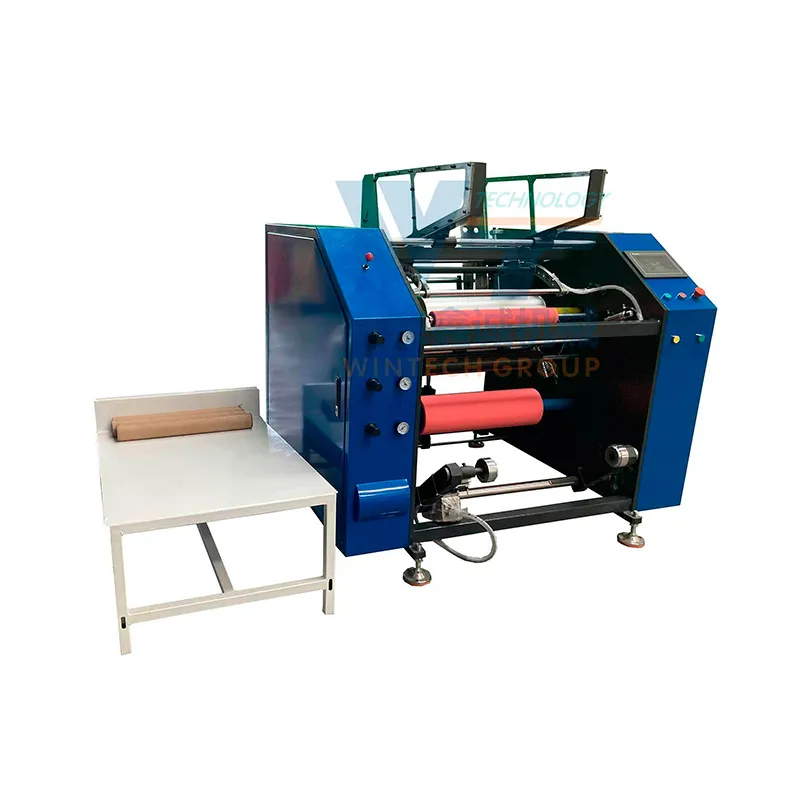


Stretch film is one of the most widely used packaging materials for logistics, warehousing, food packaging and industrial transportation. Boasting excellent stretchability, puncture resistance and load retention, stretch film has become an indispensable material for pallet wrapping and commodity protection. But how is stretch film manufactured? This article breaks down the complete stretch film production process step by step.
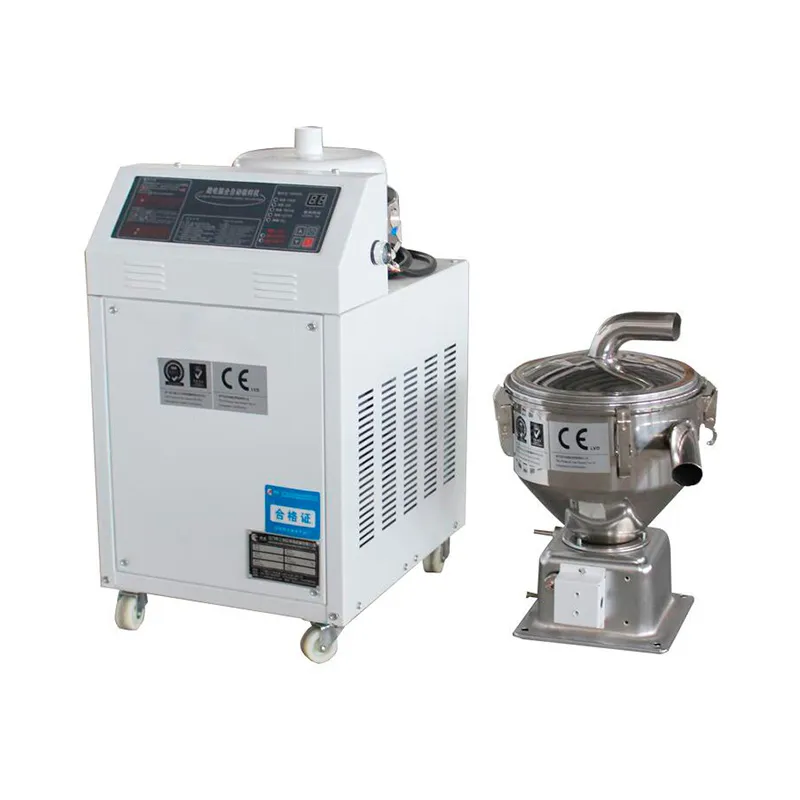
Production starts with the selection of premium raw materials. Linear Low-Density Polyethylene (LLDPE) serves as the primary raw material for most stretch films, with functional additives blended in to upgrade product performance. Common additives include tackifiers for enhanced cling, anti-block agents, slip agents and UV stabilizers; recycled resin can also be added subject to actual production needs. All raw materials are proportionally blended per customized formulas to attain target film characteristics.
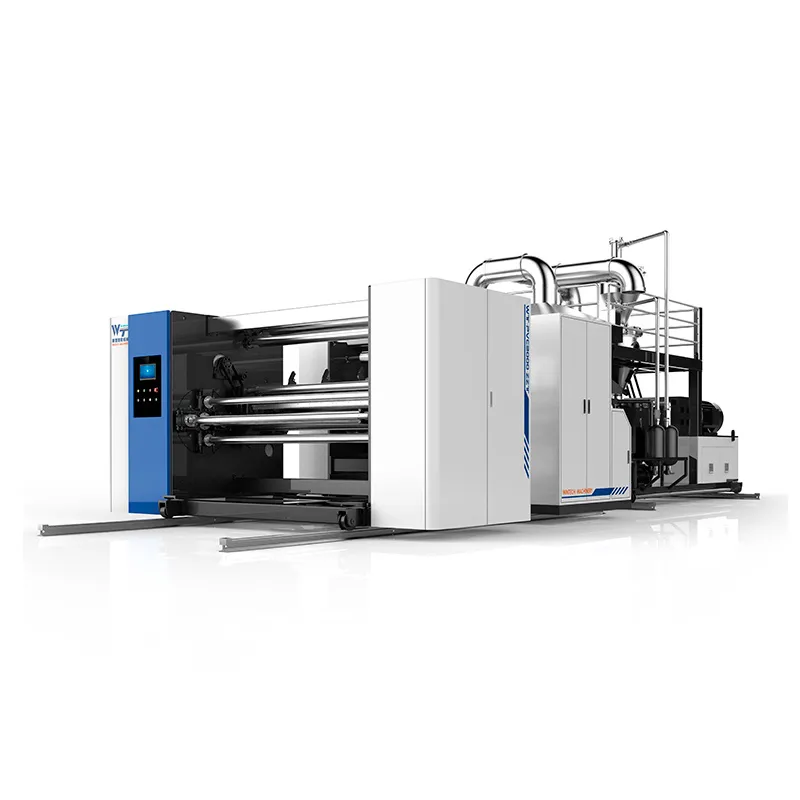
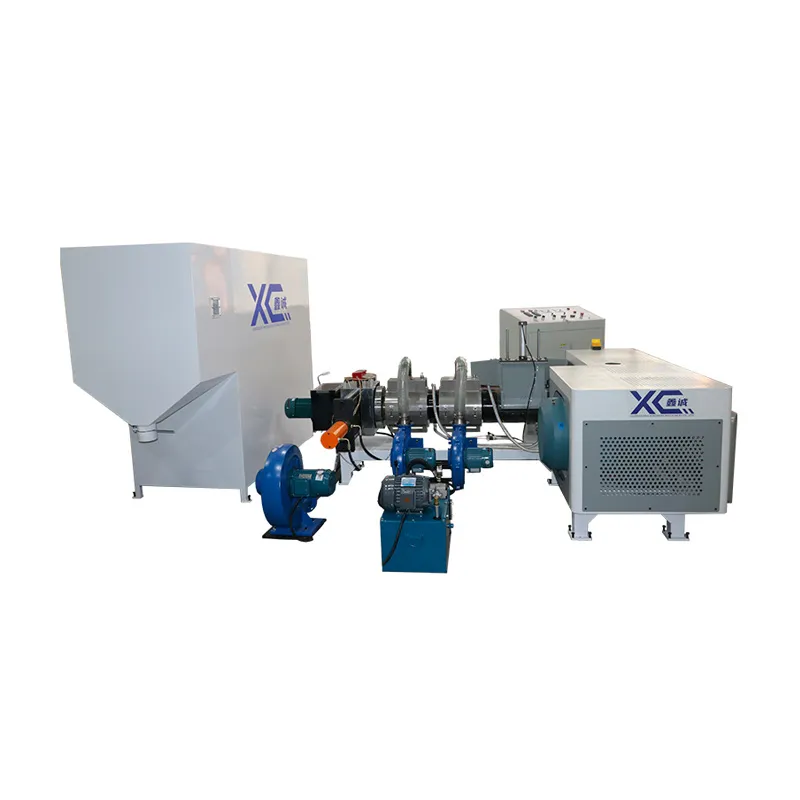
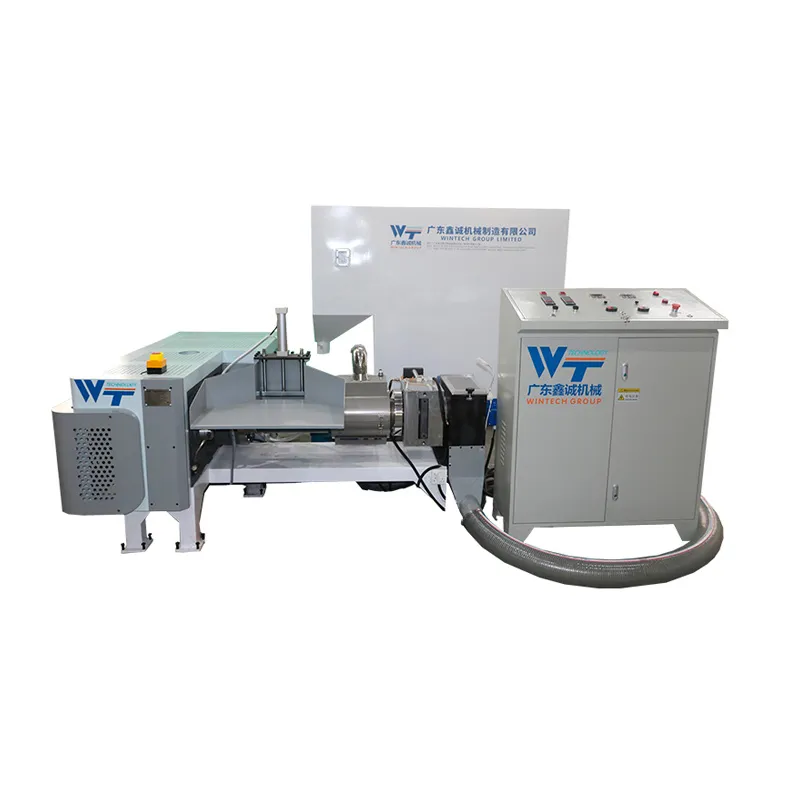
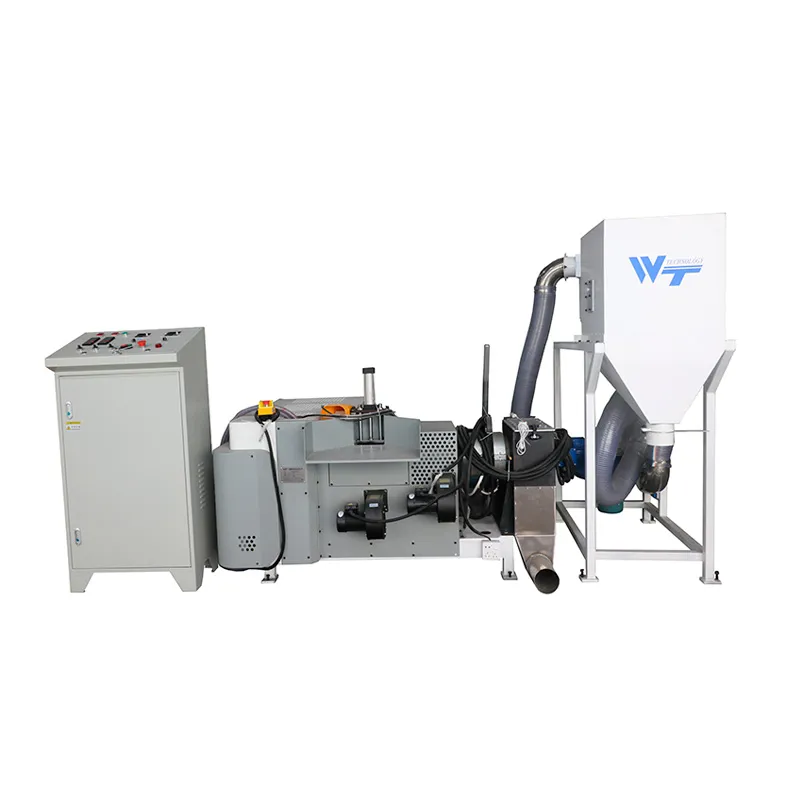
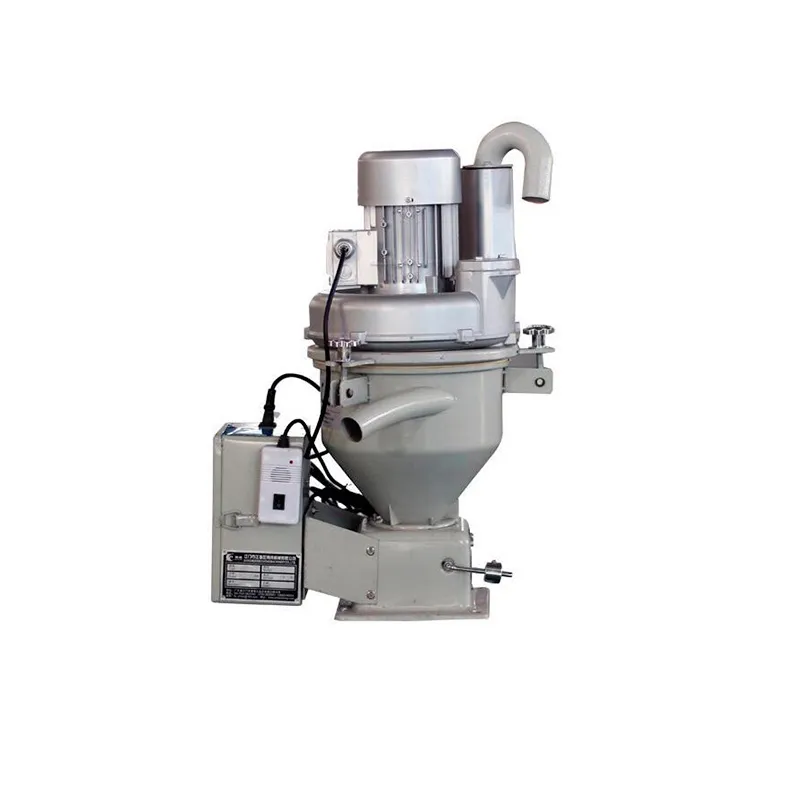
Homogenously mixed raw materials are conveyed into the extruder via an automatic feeding system. Inside the extruder, plastic pellets are progressively heated and continuously agitated by rotating screws until fully melted into uniform molten resin. Precise temperature regulation is essential, as it directly determines the film’s transparency, tensile strength and stretch performance.
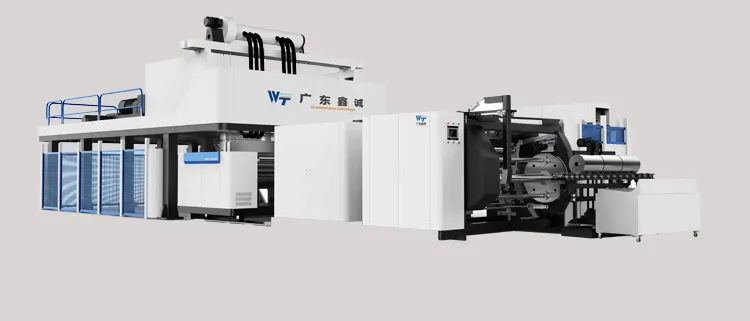
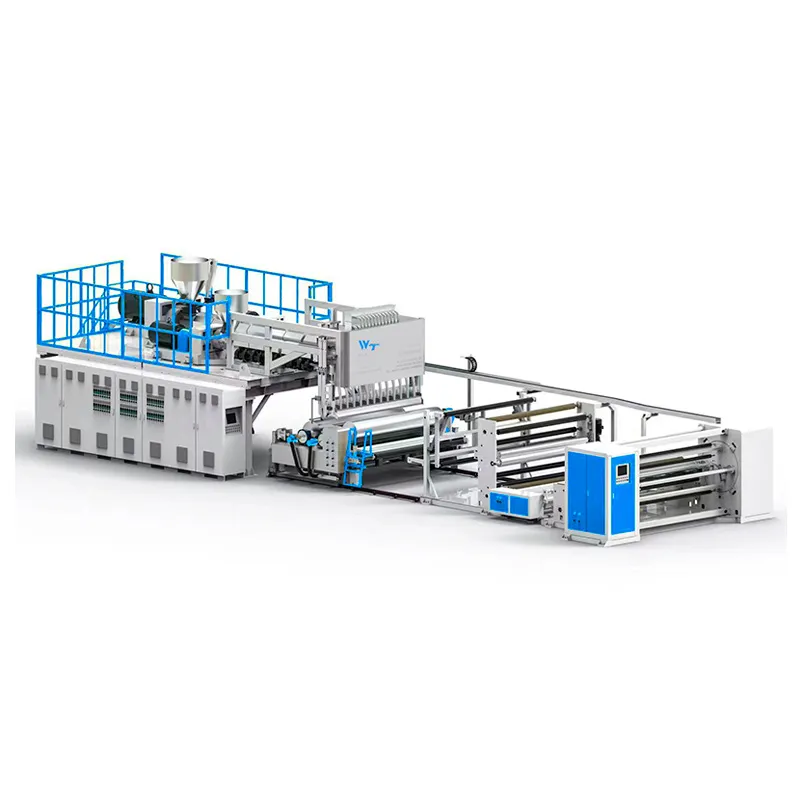
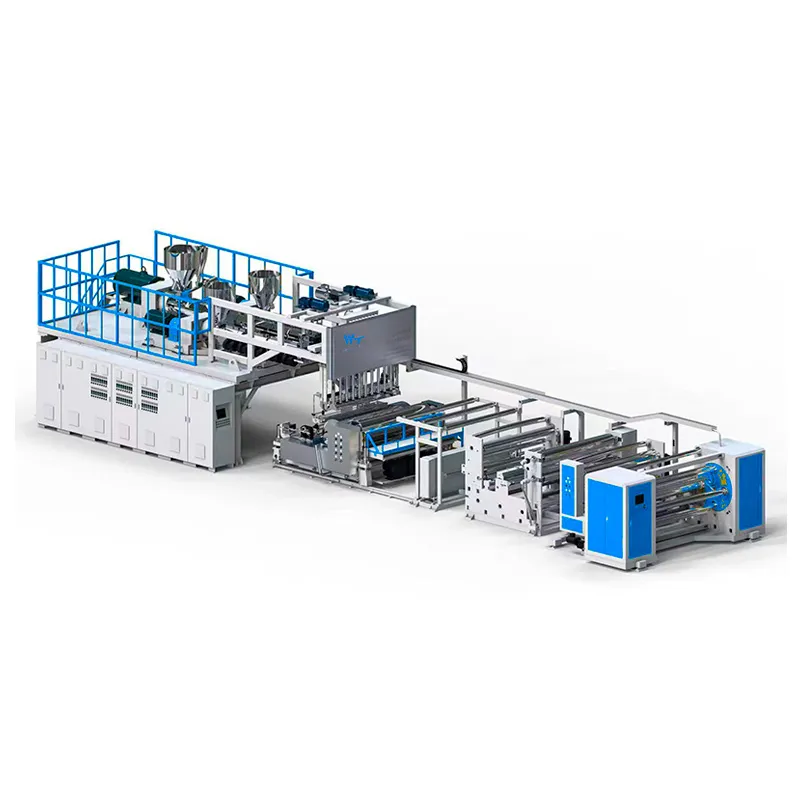
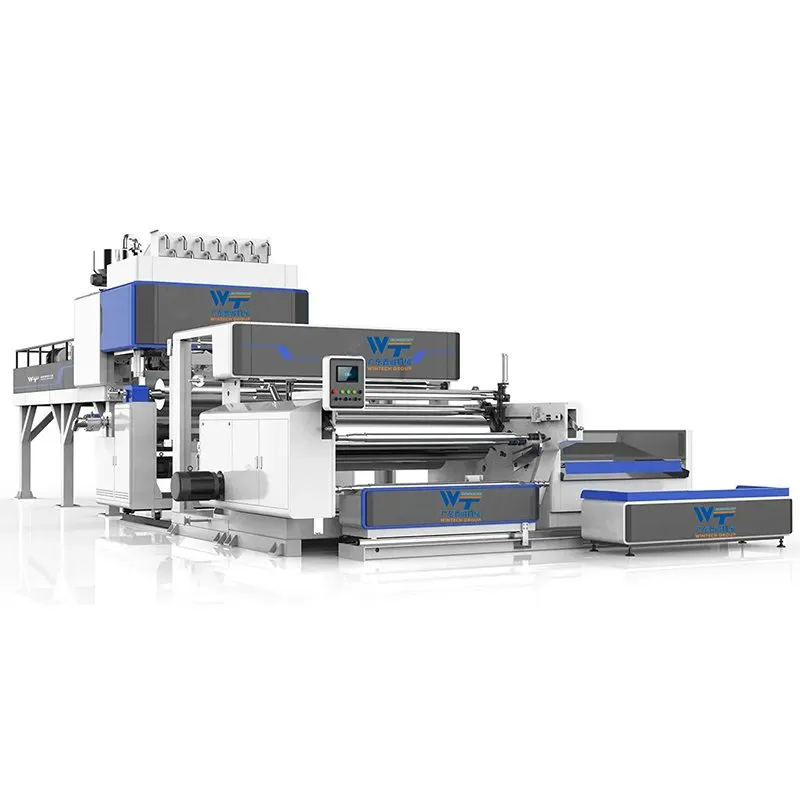
State-of-the-art stretch film production lines adopt 3-layer, 5-layer or even 7-layer co-extrusion techniques. Core merits of multi-layer co-extrusion are as follows: improved puncture resistance, superior load retention, optimized cling performance and lower raw material consumption. Each film layer carries distinct functions, enabling producers to optimize overall film quality while cutting down manufacturing costs.
Molten polymer extrudes from the die head and is cast onto a large chilled cast roller. Rapid cooling takes shape on the roller to fix film thickness and polish surface smoothness. Sophisticated automatic thickness gauging equipment guarantees consistent thickness across the full film width.
The chilled roller unit rapidly dissipates heat from the cast film. Adequate cooling delivers multiple benefits: stable dimensional tolerance, higher transparency, avoidance of film distortion and consistent mechanical properties. This procedure is decisive to final stretch film quality.
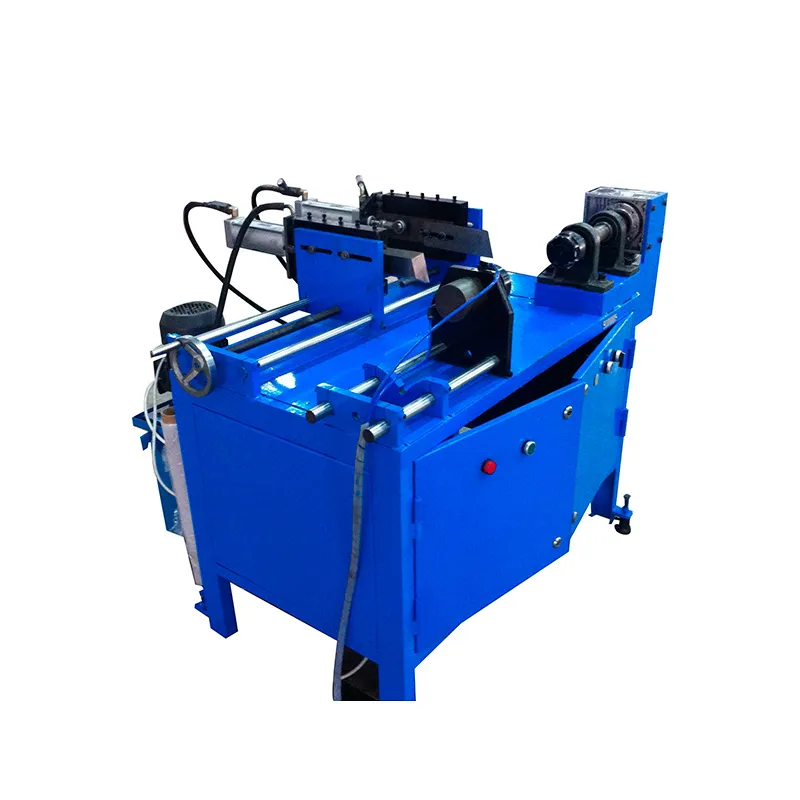
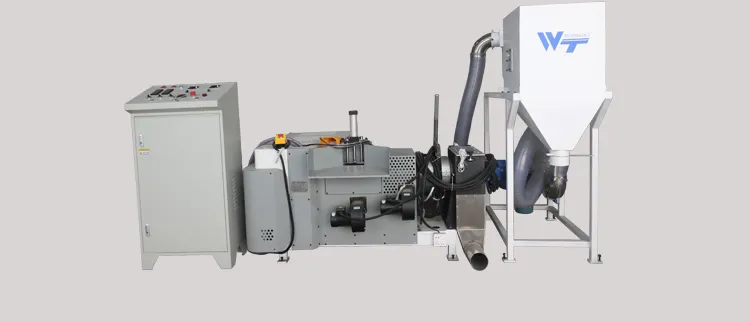
Post cooling, the film proceeds to the edge trimming station, where irregular marginal portions are automatically trimmed off to improve roll appearance, maintain nominal width and minimize winding defects. Trimmed edge scraps are routinely recycled back into production.
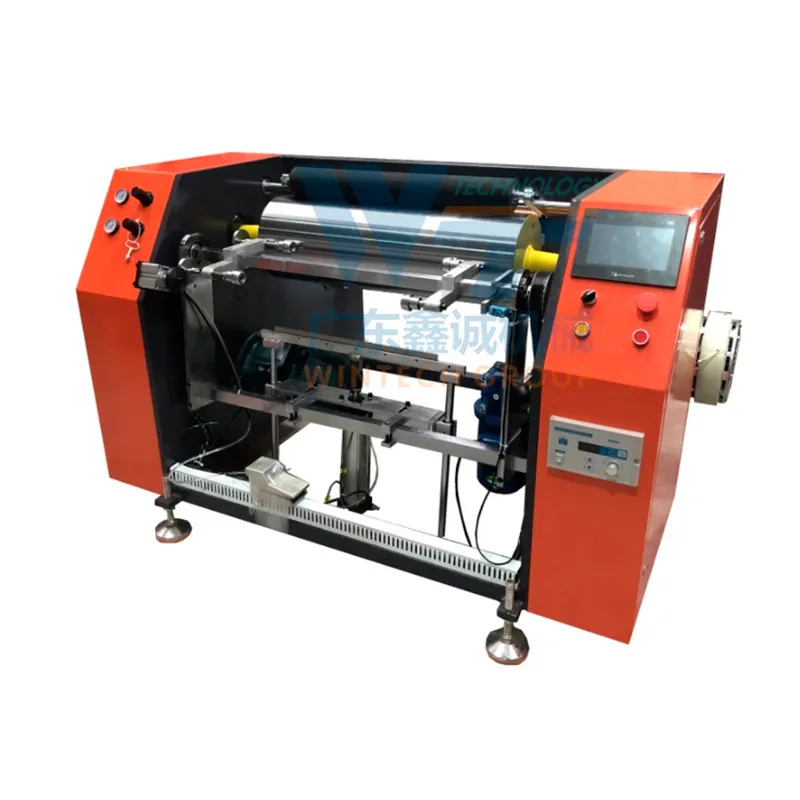
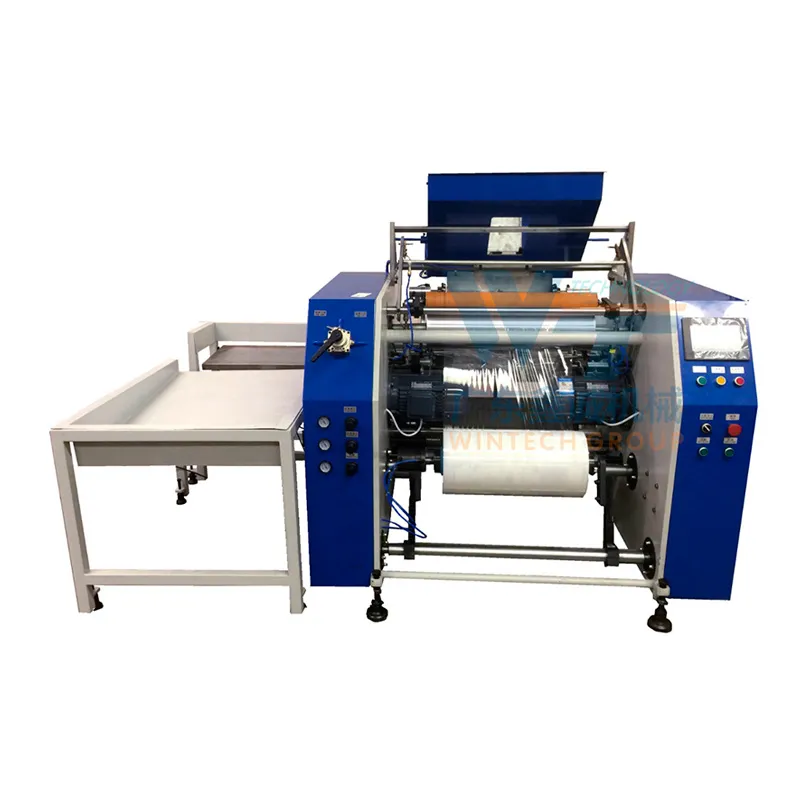
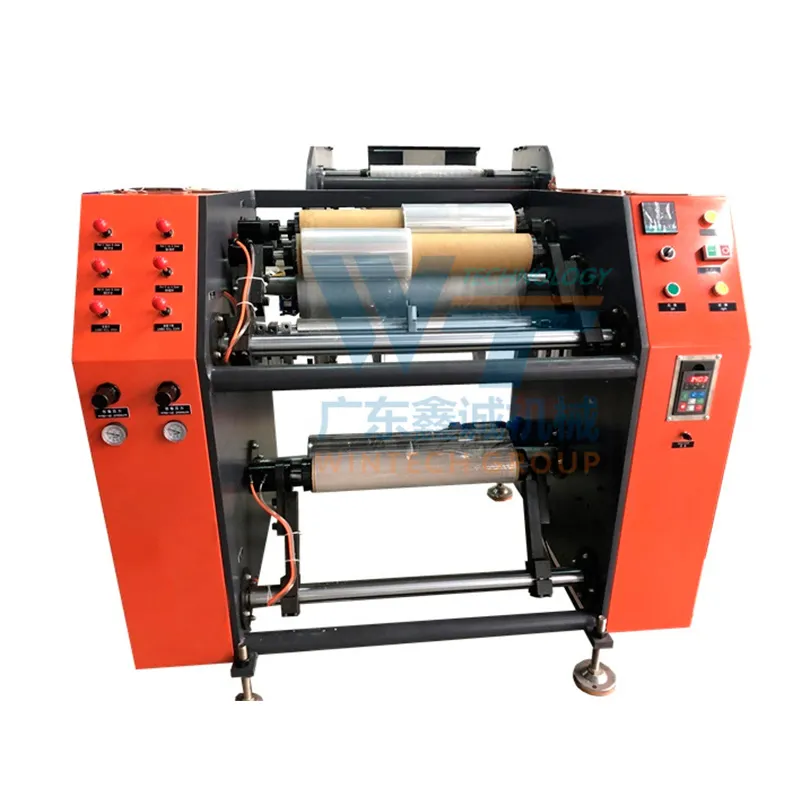
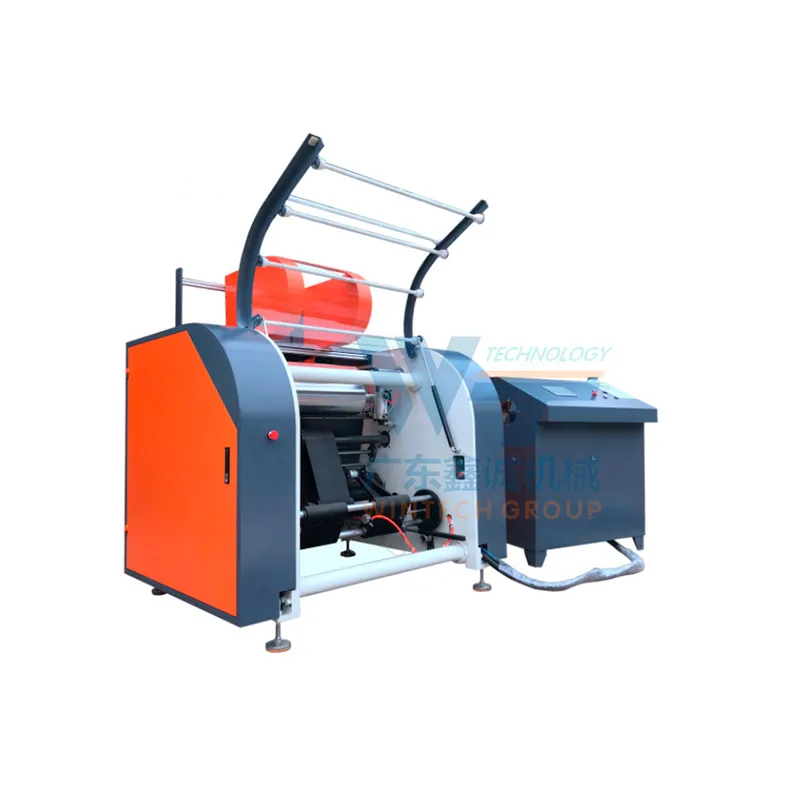
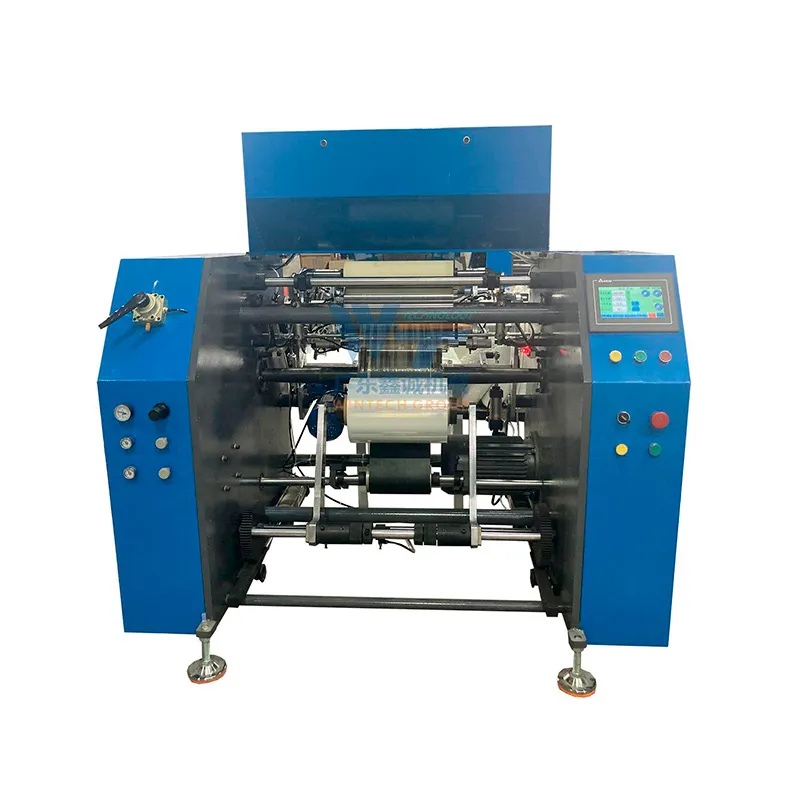
Qualified film is wound into large master rolls on a high-speed winding unit. Key winding specifications cover even tension control, compact roll structure, smooth roll surface and precise finished roll dimensions. Proper winding effectively eliminates common flaws such as wrinkles and roll telescoping.
Strict quality checks are implemented prior to finished product packaging. Standard testing parameters consist of film thickness, stretchability, cling strength, puncture resistance, tensile property, transparency as well as roll weight and dimension. Rigorous QC ensures all finished rolls comply with client specifications and international industry standards.
Products passing quality inspection go through protective wrapping, labeling and pallet stacking before outbound shipment, then get delivered to global clients for diversified packaging usage.
Modern automatic stretch film production equipment brings prominent advantages: high output efficiency, stable finished film quality, low power consumption, automatic thickness regulation, reduced labor input, mature multi-layer co-extrusion technology and non-stop 24-hour continuous running capacity. Such strengths help manufacturers boost profit margins while producing high-grade stretch film.
Stretch film production covers a full set of core procedures ranging from raw material dosing and extrusion to casting, cooling, winding and final quality inspection, with every single process influencing end-product performance.
Supported by advanced manufacturing technology, manufacturers are able to develop thinner, tougher and more cost-efficient stretch films to satisfy the ever-growing requirements of the contemporary packaging sector.
Should you plan to purchase dependable stretch film production machinery, partnering with an experienced professional equipment manufacturer is critical to sustainable long-term production success.