
Jul 21, 2026

-
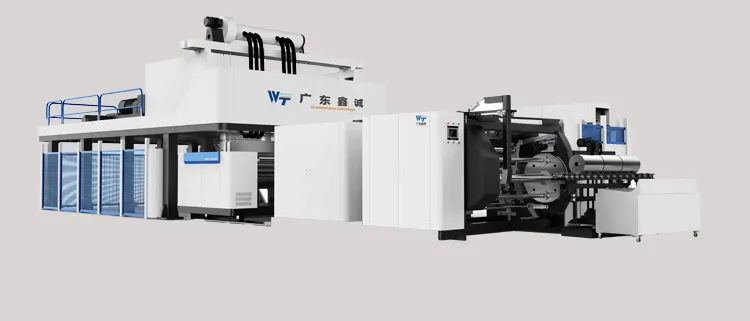
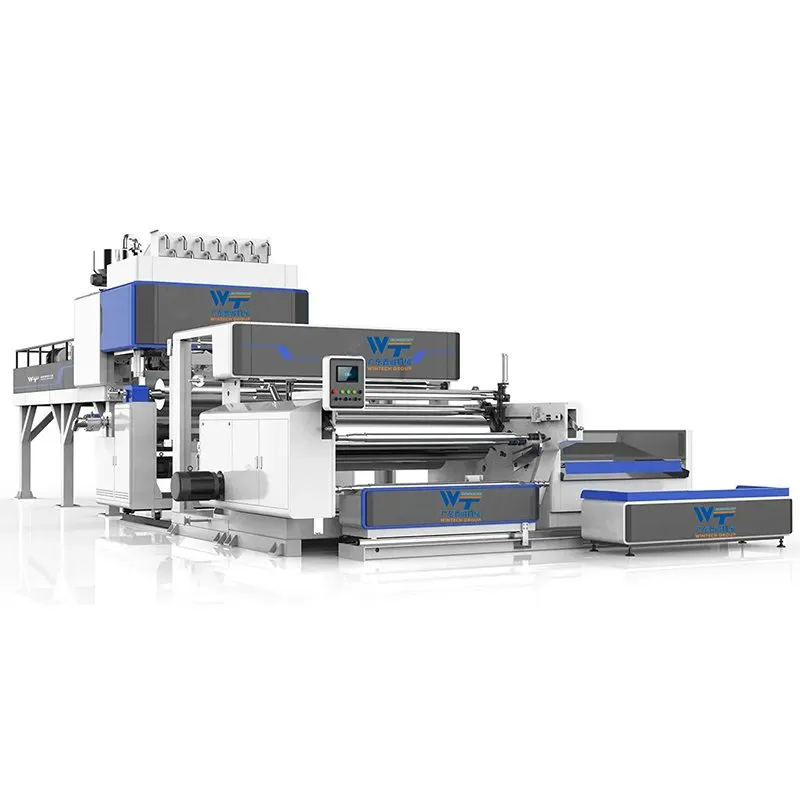 2400MM Full-Automatic Stretch Film Production Line
-
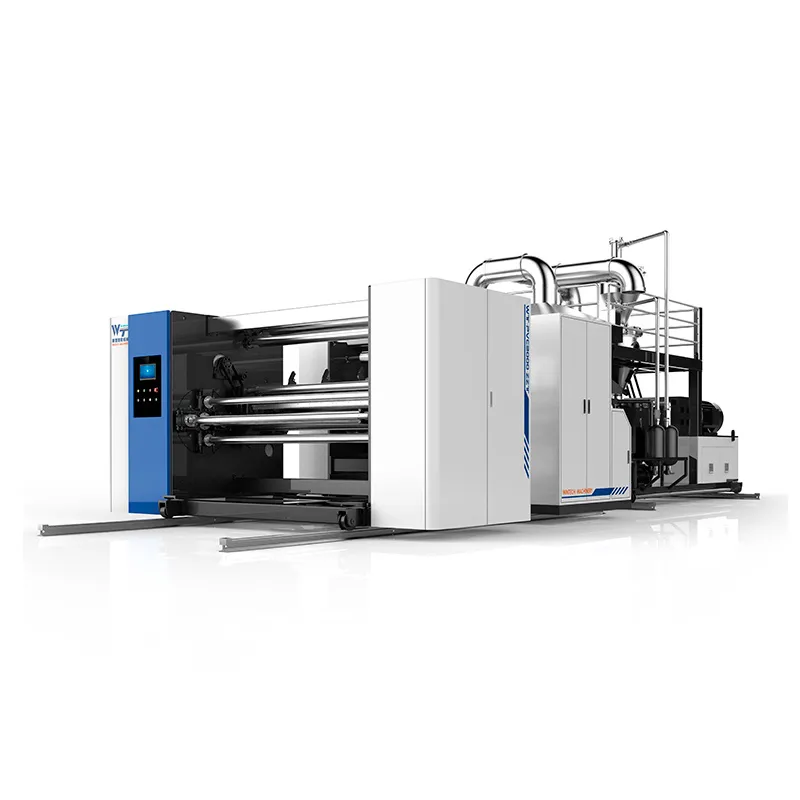
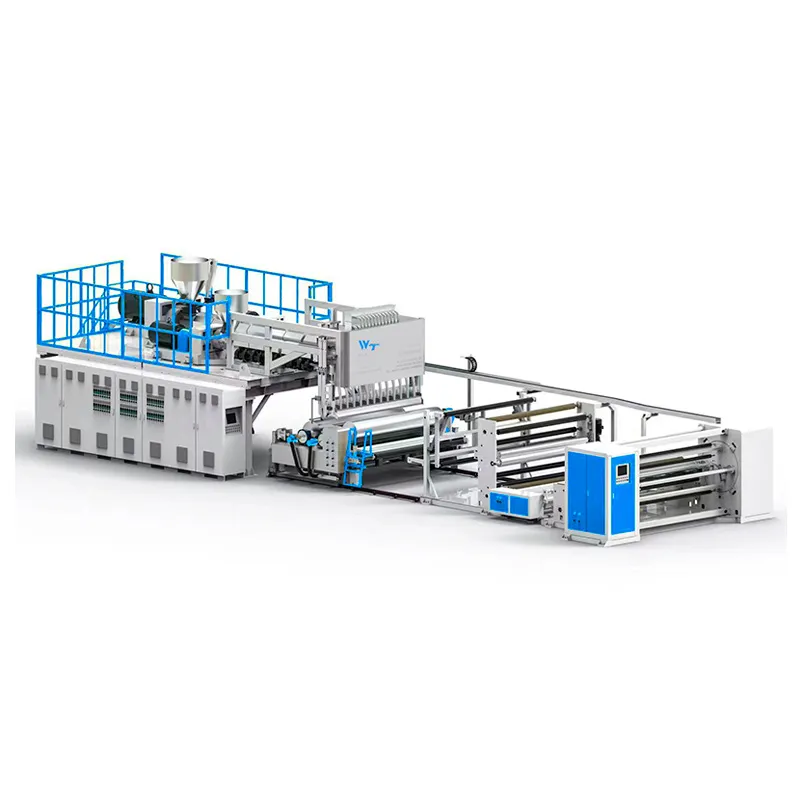
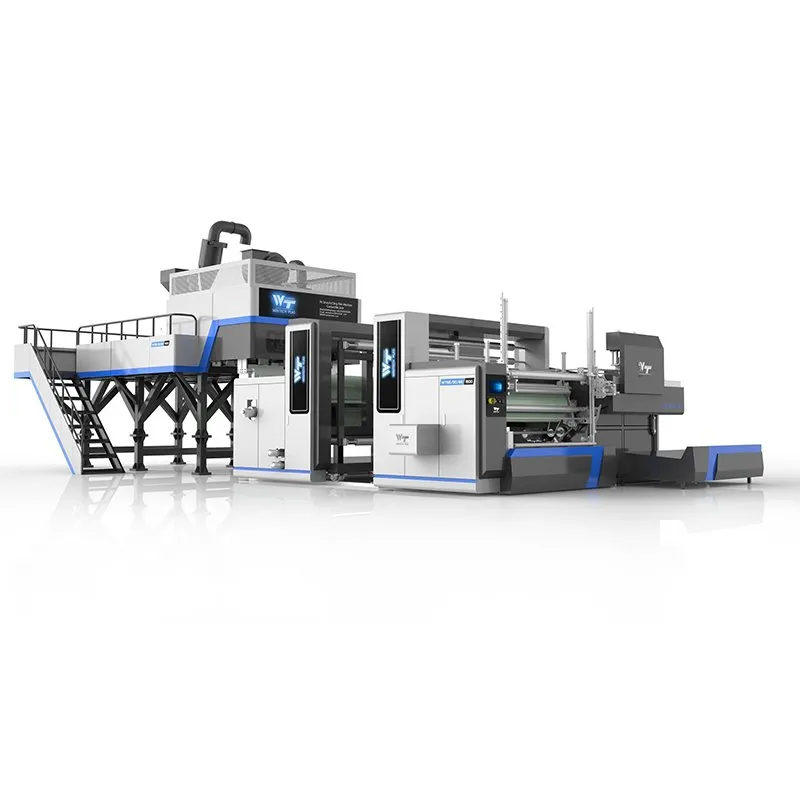 1850MM Three Five Layer Co-extrusion Stretch Film Production Line
-
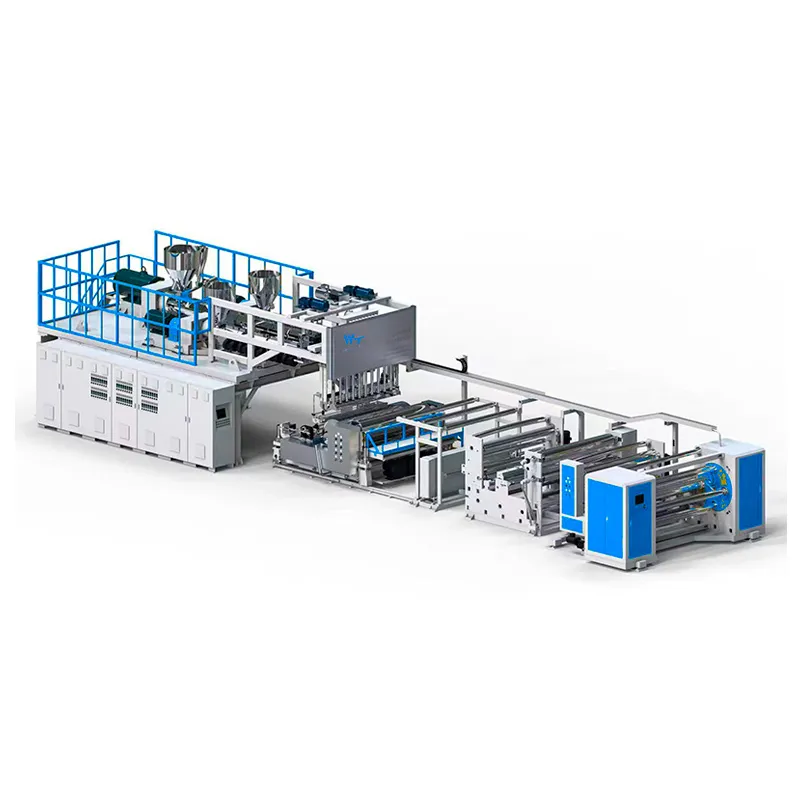
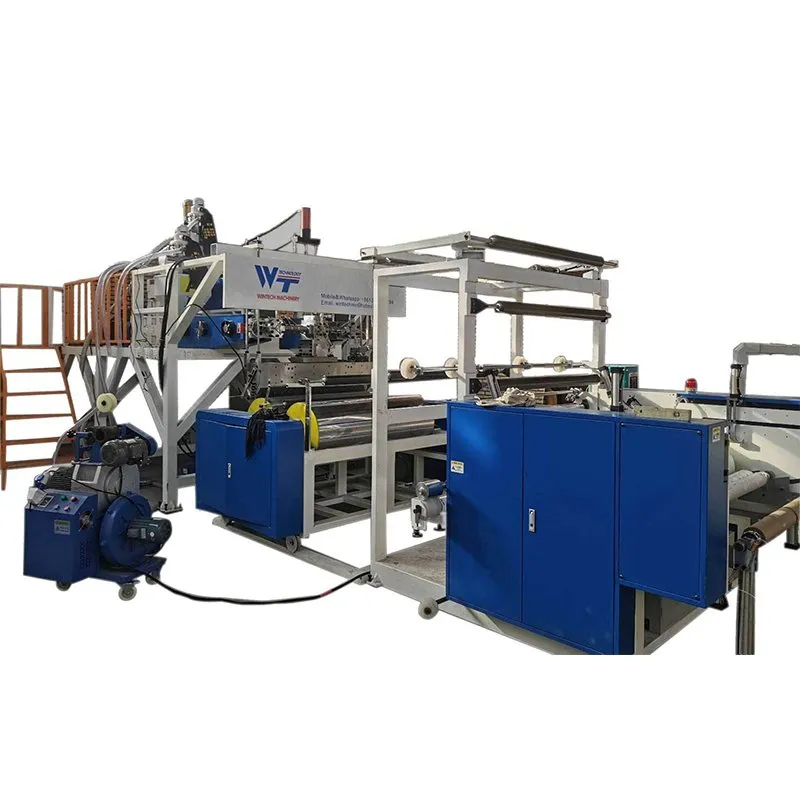 1250mm Automatic High Speed Three/Five Layer Co-extrusion Stretch Film Production Line
-
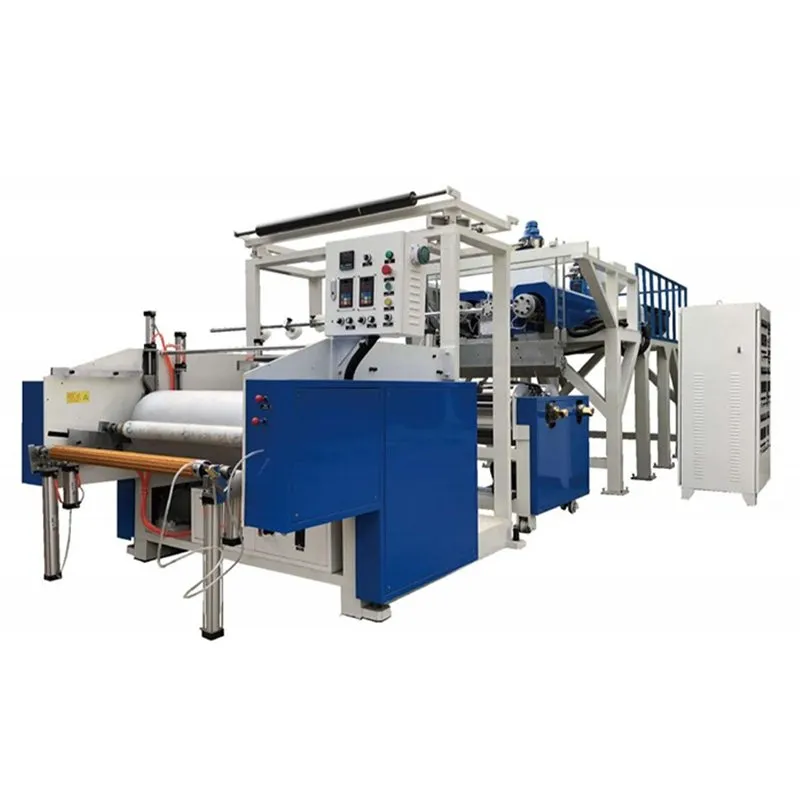 1250MM Fully Automatic High Speed Two/Three-layer Stretch Film Machinery
-
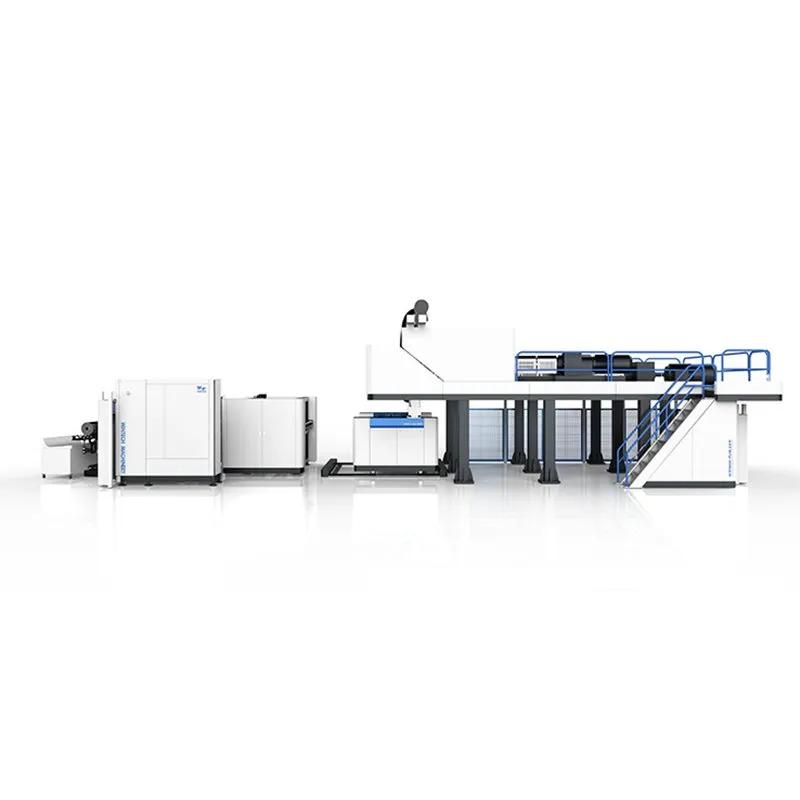 Four-Shafts Roll Change Automatic Cast Stretch Film Production Line
-
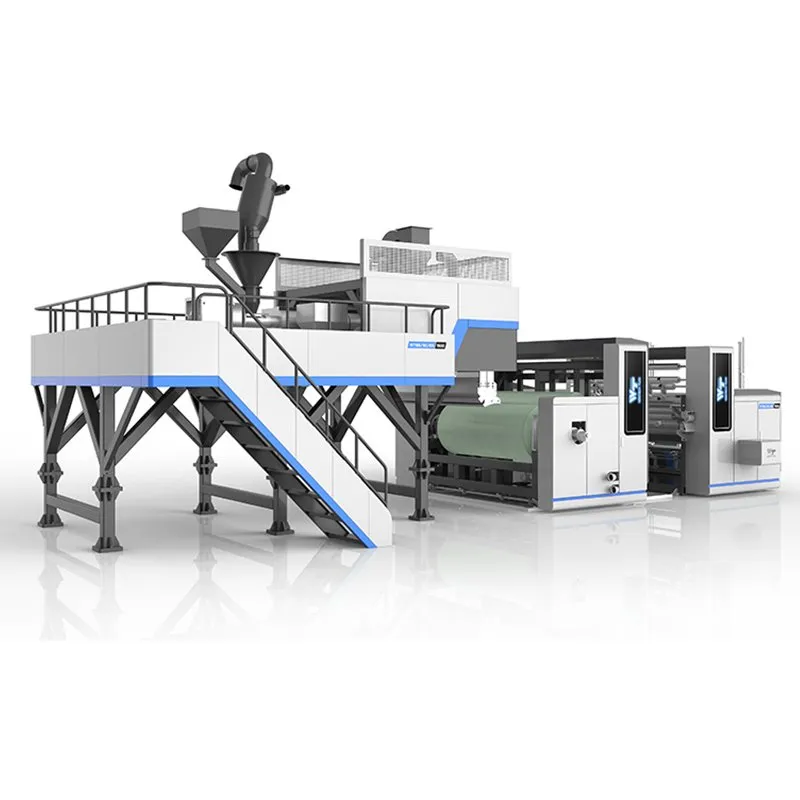 New Three-Shafts Automatic Stretch Film Production Line
-
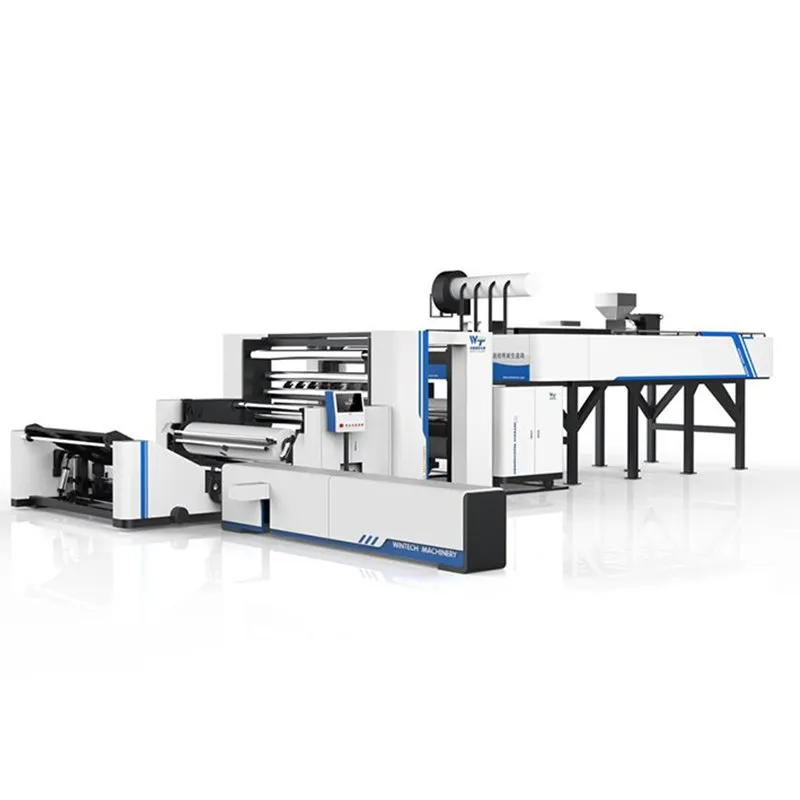 Full-Automatic Back Rest Stretch Film Production Line
-
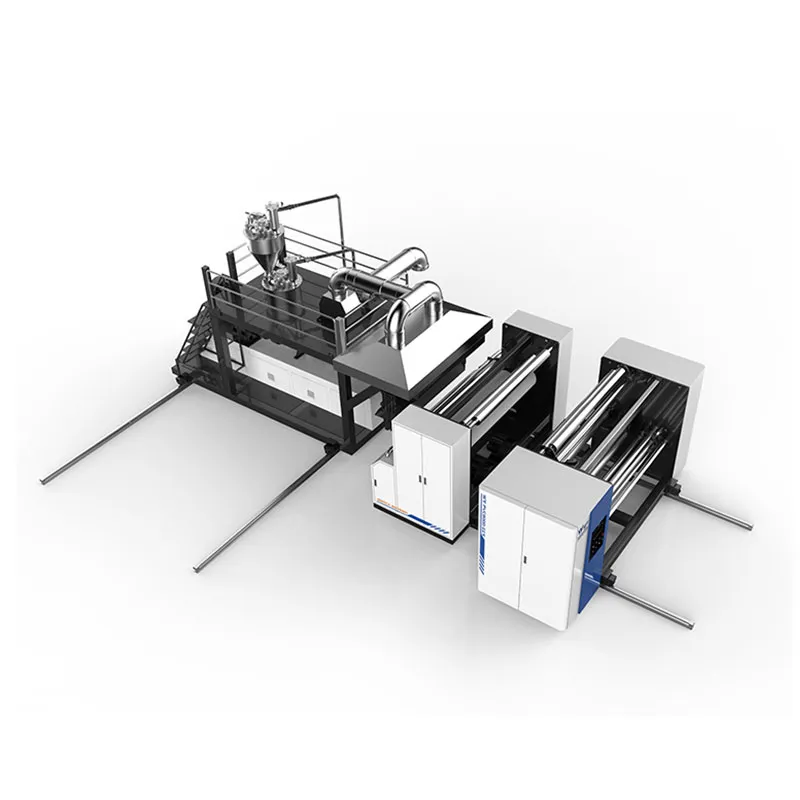 2400MM Cling Film Production Line
-
1850MM Cling Film Production Line
-
1250MM Cling Film Production Line
-
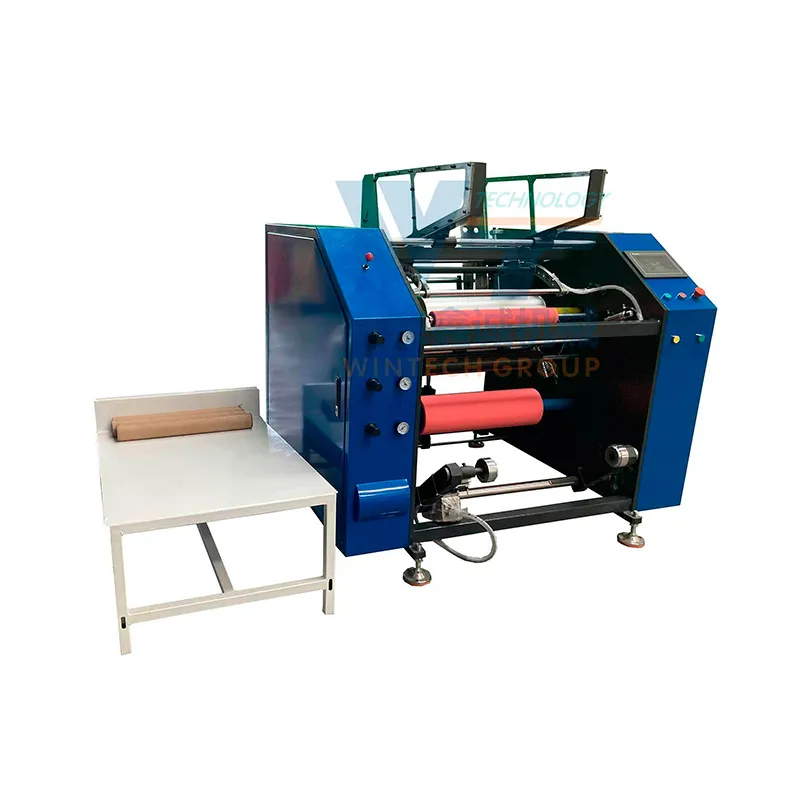 Fully Automatic Stretch/Cling Film Rewinding Machine
-
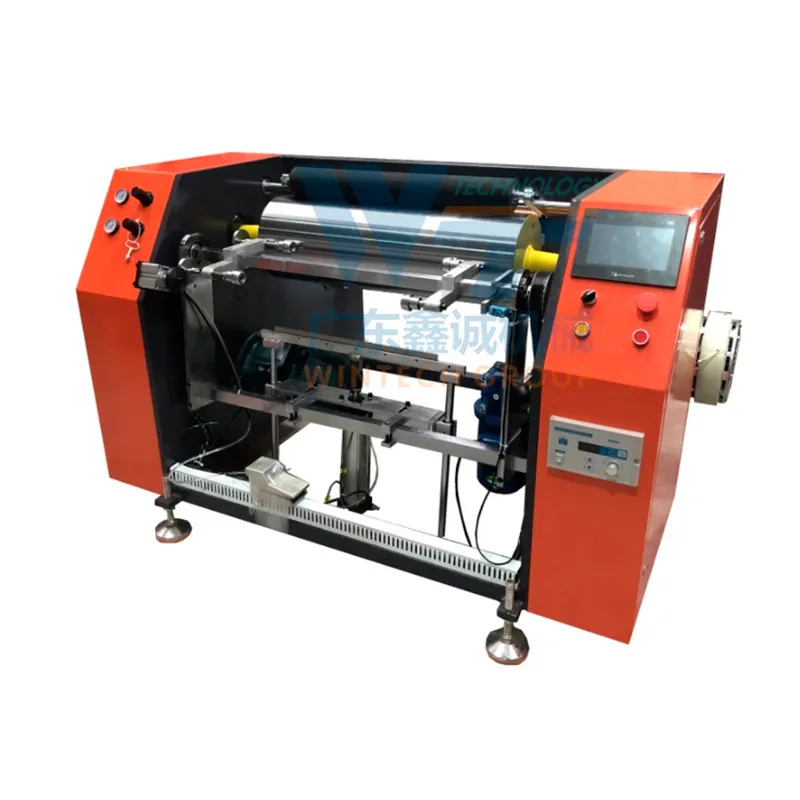 Semi-automatic High Speed Aluminum Foil Rewinding Machine
-
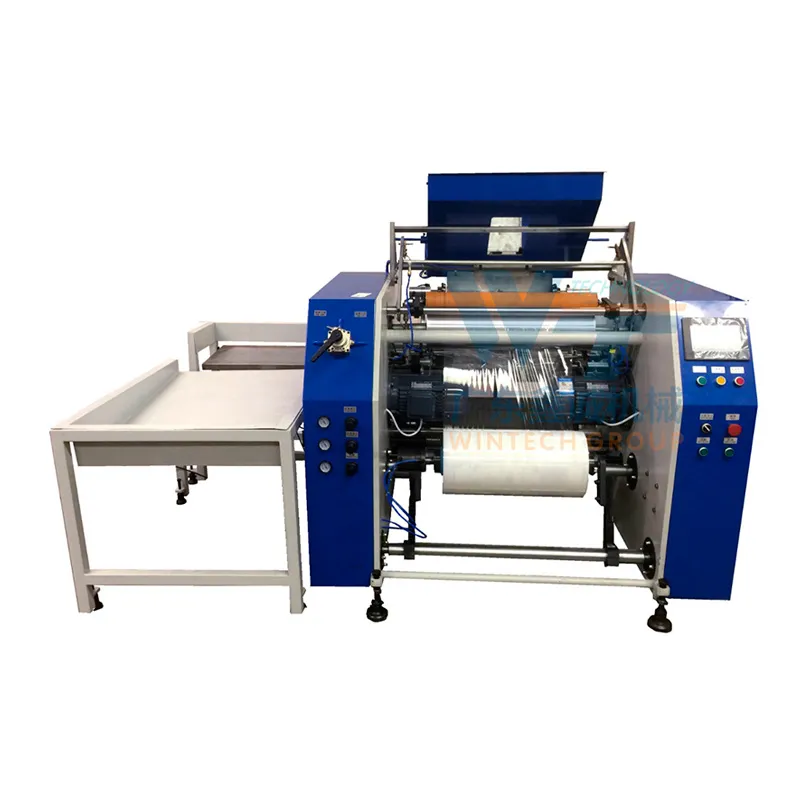 High Speed Pre Stretch/Cling Film Rewinding Machine
-
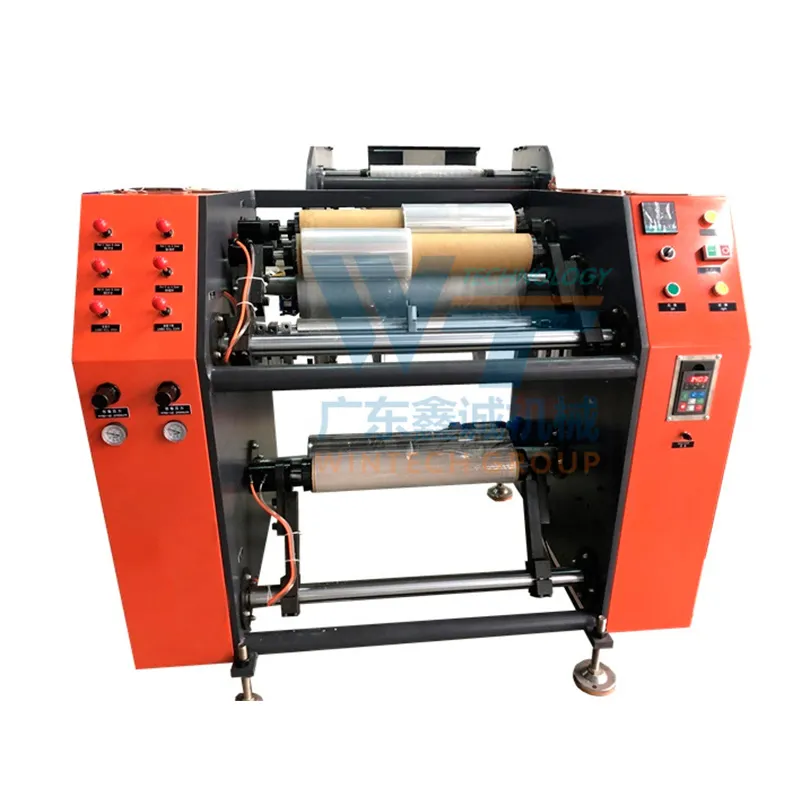 Semi-automatic Stretch/Cling Film Rewinding and Slitting Machine
-
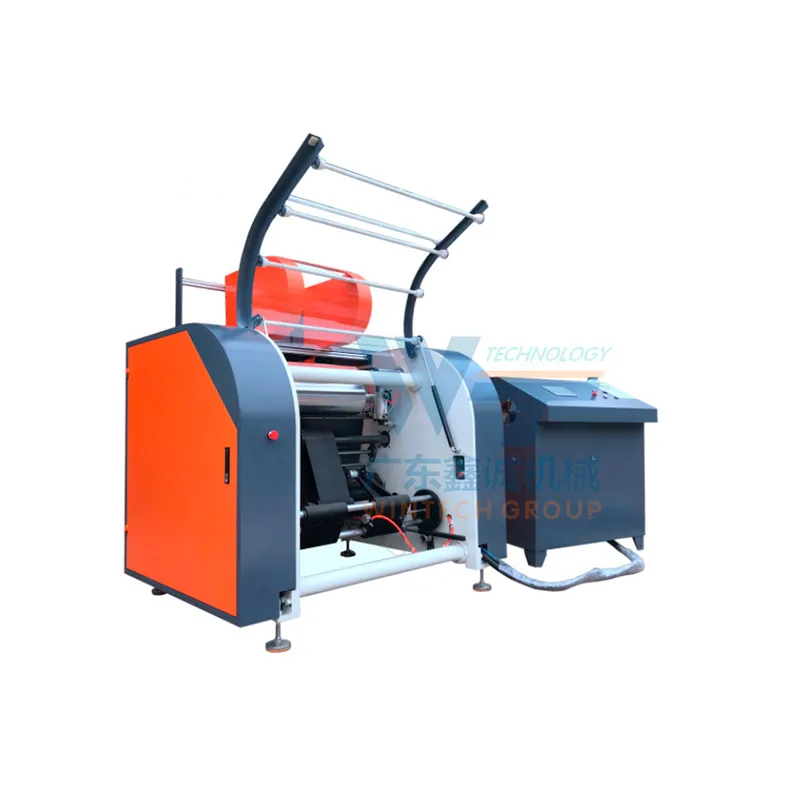 New Design Fully Automatic High Speed Rewinding Machine
-
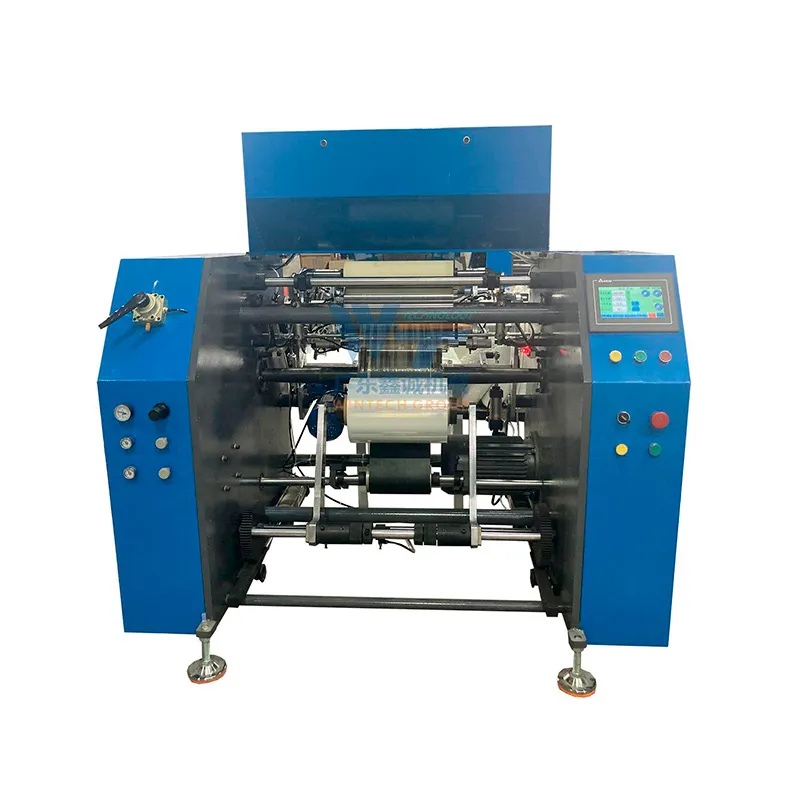 Five Shafts Fully Automatic Stretch/Cling Film Rewinding Machine
WHAT ARE YOU LOOKING FOR?